
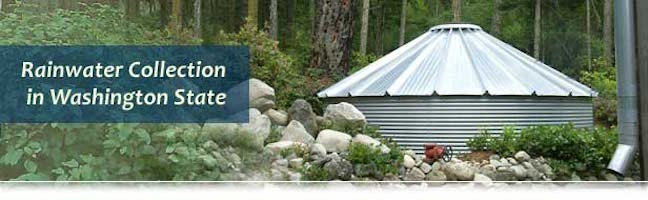
Colorado needs to look no further than Seattle and Washington State for the sustainability benefits of Rainwater harvesting.
The Colorado rainwater harvesting narrativeshows that as time marches forward, some laws that were passed almost one hundred years ago should be reconsideredbecause they are just no longer practical. Sustainability wasn’t a factorback then, but it sure needs to be part of the equation now.
In October 2009–after years of argument–the state of Washingtonofficially declared thatpeople could collect and store rainwater captured from a rooftop or other “guzzler” system without a water right, as long as it is used on site and essentially isn’t hurting anybody else. San Juan County was the only one that allowed rainwater collection and potable use for single family residence as an exemption to the water rights issuebefore the 2009 decision.
Since then, King County recognized thebenefits of rainwater collection in January 2011 for householdusage, with support from State Department of Agriculture. So now, King County Department of Health not only allows, butencourages rainwater collection.
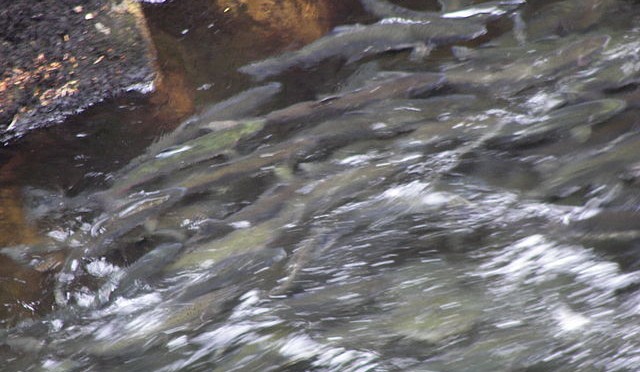
Commercial, private, andcommunities all are findingbenefits to rainwater collection and the positive effects on the environment of the Pacific Northwest and our water supplies. The Washington State Department of Ecology continues to support rainwatercollection and studies the effects of in stream flow rates (Skagit) and salmon habitat.
All Washington State counties allow for rooftop collection for non-potable use, with some allowing for potable use. Non-potable use includes irrigation, toilet facility, laundry,wash down and others that are not intended for consumption or bathing. Commercial applications are directing roof runoff to irrigation and toilet facilities, rather than having this runoff enter our bodies of water withpollutants picked upalong the way.Households are not only using rainwater for non-potable use, but are having systems installed that treat and disinfect therainwater to potable standards that aresuperior to city drinking water, thus conserving water by simply not allowing it to become runoff. Ruralhouseholds are using rainwater collection that benefits aquifers by rainwater collection and household use, through infiltration after use.Communities areorganizing communal gardeningapplying rainwater collection, removing the strain on small water systems, while promoting communityevolvementand education.
We congratulate Colorado on its progress in exploring new (to them) sustainability methods. We welcome Colorado’s steps towards better understanding of thebenefits that we in WashingtonState currently enjoy.
 Flint Water Crisis Deepens
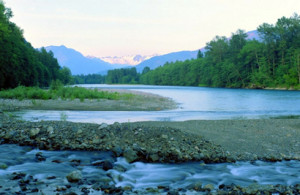 Skagit County Planning Department issues its first residential building permit with rainwater collection as sole source of water.