
This post is part of the series How to Build a Simple Rainwater Collection System.
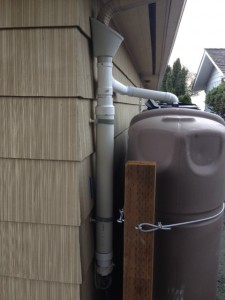 A first-flush diverter helps keep your rainwater harvesting system clean byenabling the removal of dust, other debris, and any fecal matterthat collects on your roof and in your guttersbetween rainfalls, so it is flushed out at the verybeginning of the water collection process.
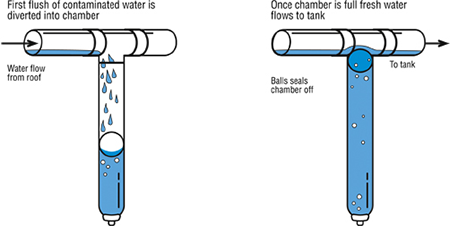
Thecleaner your water is as it goes into yoursystem, thecleaner your water will be when you use it. Studieshave shown a tremendous drop in fecal bacterialevels when the roof is flushed before water entersthe tank. Bacteria also like to live in decaying leavesand other organic matter that collects at the bottomof the tank. A first-flush diverter “washes” the roof,so there is less rubbish on the tank’s bottom.
Do you want to see more articles about how to build a simple rainwater harvesting system? Check the “Notify me of new posts by email” button below.

 Officials at Seattle Public Utilities say they will need to raise rates about 30 percent over the next six years. “Over the past decade, the utility’s rates have gone up 96 percent, while the rate of inflation in the Seattle Tacoma area has risen 25.6 percent.”
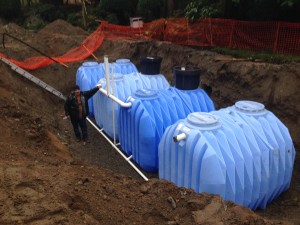 RainBank Rainwater Systems has been designing and building rainwater harvesting systems in the greater Puget Sound area for over 10 years and is an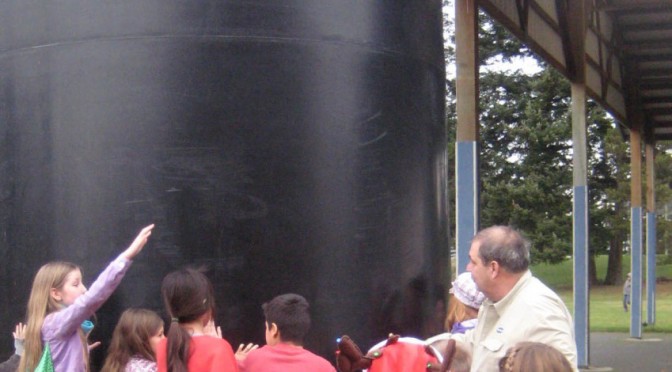
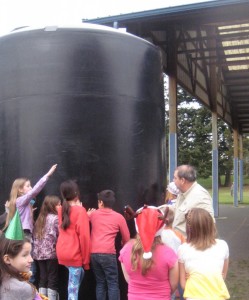
 Ken taught a little history of rainwater collection, some science on the natural cycle of rain and a bit of math so the children could calculate how much rainwater they could collect from their home roofs. Each class will make rain gauges so they can monitor how much rain is available to fill their storage tank that RainBank installed last year for their garden-to-lunch program. “I think the children took away the need for them to conserve our resources and I am confident that they will go home and teach their parents. It was a great bunch of kids and I look forward to doing more of this”, adds Ken.