
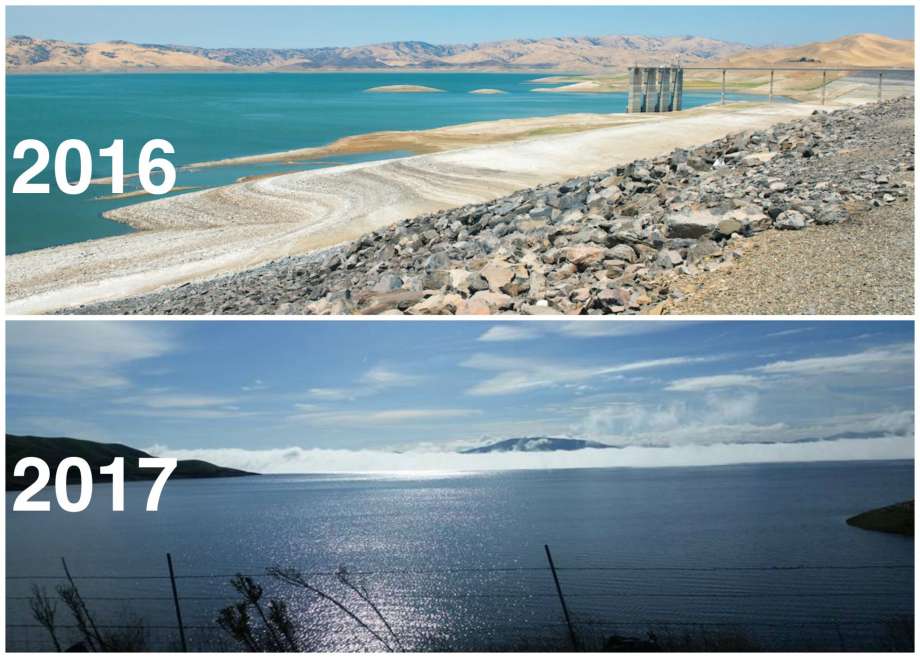
 While the California drought may have significantly improved with recent heavy rain and snowfall, it would be a stretch to declare it over. A series of Pacific rain filled storms have increased the storage in reservoirs, lakes and snowpack, but the need for continued conservation is still advised. Large, infrequent rain events do little for long term supply demands. A good deal of the event simply equates to stormwater with little effect on the aquifers. According to Richard Tinker with NOAA Climate Center, “Groundwater levels have not responded as one might expect and remain critically low… water supply is dependent on groundwater.” Without replenishment from more frequent rainfall, reservoir levels will once again decrease. By lessening the demand from public water supplies, recoveries can retain their water for longer periods or until the next large rainstorm.
California has embraced rainwater collection since early February 2013. As of September 2016, Governor Jerry Brown signed several new bills into law that impact California water supplies, including cutting down on excessive water use and making the most of stormwater. Now is the time for California to implement additional legislation allowing expansion of rainwater collection with incentive programs and rebates. With increasing population and its increased demands on water supplies, Californians will witness water shortages again. Richard Santos, director of Santa Clara Valley Water District sums up the need of conservation as “Water conservation is a way of life. It’s not going to change. We’re an arid region for the rest of our lives. History will repeat itself. Like all good people, we put money in the bank for those rainy days that don’t come.”
The American Rainwater Catchment Systems Association (ARCSA) has a growing presence in California with scheduled Rainwater Catchment Workshops.According to ARCSA, “With the ongoing water crisis in California, this workshop will focus on the central and southern California coast and inland communities. Residents of California are encouraged to attend to learn to capture stormwater, and rainwater while creating additional “reservoirs” to store water for future beneficial uses. You can’t use it if you don’t store it!”
Photo Credit: SF Gate – Photo: Top, Frances Low/DWR. Bottom, Walt Warneke
 The new Seattle 2016 Stormwater and Drainage code is prompting many architects to include detention/infiltration systems into their residential designs to mitigate unwanted roof runoff. This typically incorporates roof runoff to be collected temporarily, in above ground storage, to be slowly released into an infiltration system on site. This can be a series of infiltration ditches or some type of rain garden. During the dry season, the stored water can be used for irrigation. However, a problem with this theory is that storage for this type of system is usually inadequate in volume to accommodate much irrigation during thedry periods. Rule of thumb for irrigation requirements are .623 gallons per square foot of planting area per week, or 1″ of rainfall for the healthy growth of plants. This can add up rather quickly; 1,000 square feet of planting requires 623 gallons per week, 2,500 gallons for 1 month or 7,500 gallons for the typical 3 month dry season.
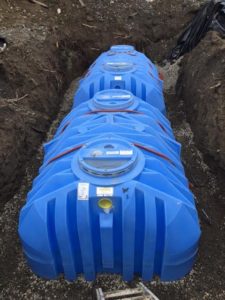 Rainwater system storage can be underground, where detention tanks cannot. The visual impact and space requirements are reduced, costs are reduced with a return on investment, environmental impacts are reduced, and conservation of city water is enhanced.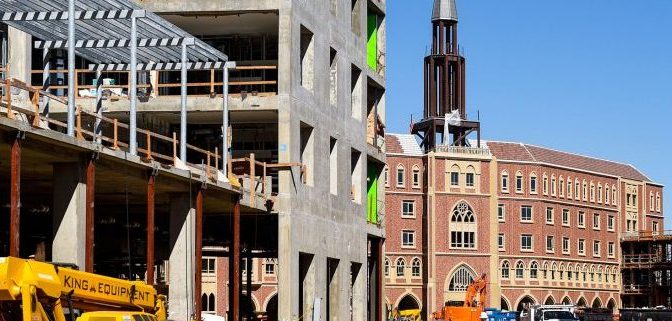
 In a move toward more sustainable practices, a new village on the campus of University of Southern California (USC) will host an underground rainwater collection and containment system.
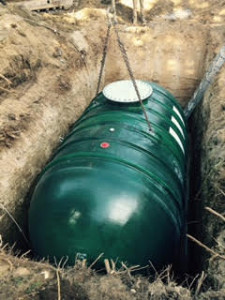 The 15 acre property will have six underground wells and will be able to capture 200,000 gallons of water. The system will capture stormwater before it enters the Los Angeles River or the ocean, conserving water and promoting sustainability.