
 RainBank Rainwater Systems of Seattleis anARCSAaccredited designer, consultant, and installer of rainwater harvesting systemsfor both potable, and non-potable demands. Commercial and residential systems are designed and constructed to meet our customers’ specific needs.
RainBank will design, install and package systems from 2,500 gallons to 50,000 gallons.
RainBank’s customers are
- Eco-friendlyhomeowners seeking to add rainwater collection or integrateinto plans for anew premiumorcustom built residence
- Architects developing plans forpremium residential projects
- High-endbuilding contractors specializing in custom builds
- Commercial contractors where rainwater harvesting is a component tothe scope of the project
RainBank provides customers with an integrated, progressive and modern approach to sustainable, premium water systems.
RAINBANK SERVICES INCLUDE:
DESIGN:complete systems with performance specifications.
ENGINEERING& PERMITTING: to meetall legal requirements from county and state agencies; cost effective, fa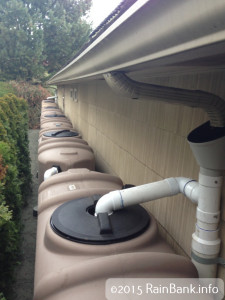 st & hassle free.
INSTALLATION:includes onsite management & the “soup to nuts” installation of rainwater harvesting and storagesystems.
PRODUCTS: A rainwater system designed with WISY products requires minimal maintenance and never needs replacing. Never clean a filter basket or a tank again. Ever. (Come back often; we’re adding new product lines for 2016!)
CONSULTING:is available throughout the US Including Hawaii, for all rainwater harvesting & Class B water systems.
PACKAGING:Customized kits & blueprints for do-it-your-selfers, those in remote locations, tract housing developers and large companies. Use the form below to contact us aboutcustomized kits or other services.
 When planning a rainwater collection system, consideration of annual, monthly, intensity and frequency of rainfall must be taken into account. Precipitation information is generally available by most counties, state climatologists, the National Oceanographic and Atmospheric, Administration (
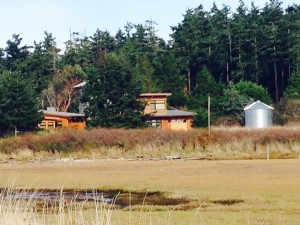 A well-designed and soundly constructed rainwater collection system, with scheduled ongoing maintenance, will provide years of quality domestic use.
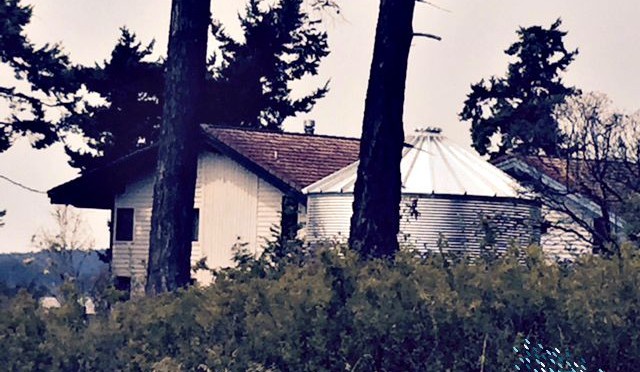
 San Juan County was the first county in Washington State to allow rainwater collection for potable use, due to salt water intrusion of wells like RainBank president, Ken Blair’s system. Low production and higher levels of fecal coliform or nitrates are other factors that have plagued wells in this area.