
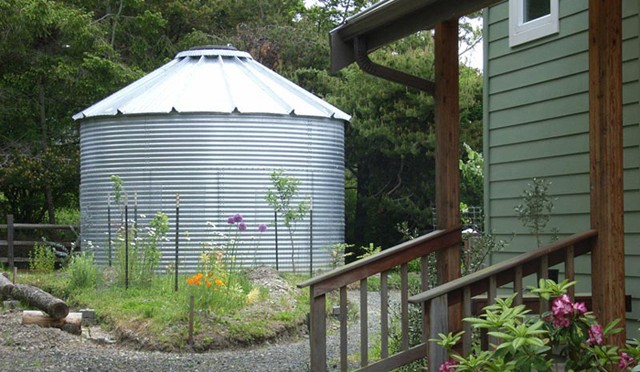
The American Rainwater Catchment Systems Association (ARCSA) is a rainwater harvesting industry membership organization with a broad range of professionals working in private, city, state, and federal government, academia, designers, installers, manufacturers and suppliers of rainwater harvesting equipment, consultants, and individuals interested in preserving, growing and supporting sustainability through rainwater collection.
The mission of The American Rainwater Catchment Systems Association is to promote sustainable rainwater harvesting practices to help solve potable, non-potable, stormwater and energy challenges throughout the world.
In 1994, Dr. Hari J. Krishna of Austin, Texas founded the 501(c)(3) non-profit American Rainwater Catchment Systems Association (ARCSA) to bring renewed attention to the ancient practice of rainwater harvesting. For thousands of years collecting rainwater was a common method for providing water, but over the last century, wells and municipal water supplies took over as primary water sources. The diminishing supply of fresh water in wells and aquifers, concerns of quality and population growth are among the top reasons for the resurgence of rainwater catchment. The American Rainwater Catchment Systems Association (ARCSA) was created to promote sustainable rainwater harvesting practices throughout the United States and the world. Read more.
ARCSA is involved in efforts including:
- Favorable regulatory atmosphere
- Educating professionals and the public regarding safe rainwater design, installation and maintenance practices
- Community outreach education through a volunteer board of directors, augmented by regional directors located in various parts of the United States as well as in Australia, New Zealand, Canada and Europe
RainBank Rainwater Systems president Ken Blair is lifetime ARCSA member, ARCSA accredited Professional, ARCSA Systems Inspector, and ARCSA Northwest regional rep. Ken is a available for ARCSA workshops for interested parties as well as local governmental agencies, engineering and architectural firms. Contact Ken using the form below for more information about a workshop for your agency or group.
 Just like rural homeowners, urban households can benefit from rainwater collection. Unlike rural homes, most city homes have less space available for storage. Slim line water tanks and underground storage options allow those who live in an urban environment to collect, store, and use rainwater for a number of purposes.
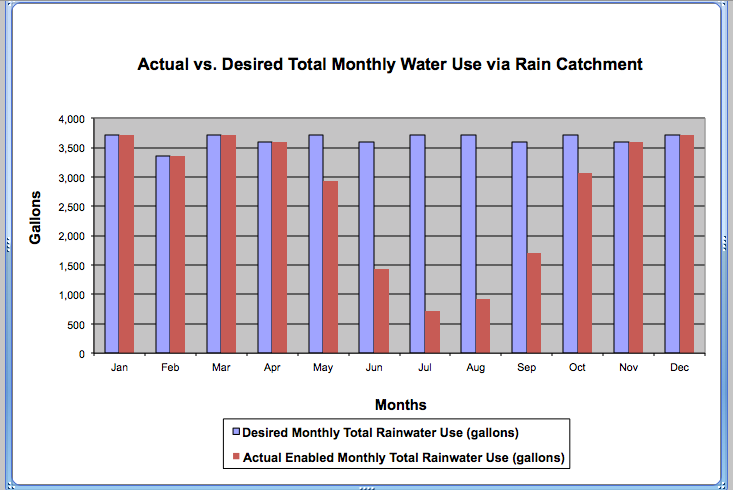

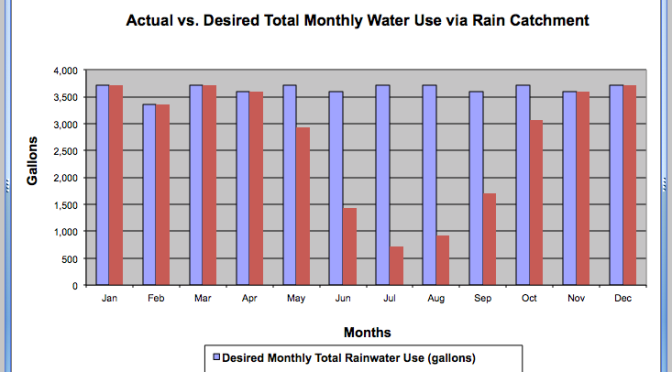
 October 1 is the official start of the rainy season in Washington State and even though annual rainfall met expectations, another dry, warm winter is predicted for the region. This means that the snowpack – the summer rain bank (see what I did there?) will be missing in action for another year.