
Tag Archives: featured

Can You Disconnect from a Municipal Water Supply?


Close-up of a worn, metallic fountain pen nib on a black surface.While you cannot disconnect from most municipal water supplies in Washington State, you can include a non-potable rainwater collection system as a supplementary sourcestatewide.

Since October 2009 Washington State legislature has accepted rainwater collection for non-potable use for residential and commercial application. Irrigation, toilet flushing, laundry facility and wash down are all acceptable usage of rainwater.

King, Jefferson, Island, San Juan, Skagit, and Whatcom counties have all adopted potable use of rainwater for a single-family residence as supplemental. Most allow for sole source or off grid use if there is a “hardship” involved with a well or community water source. Some cities within these counties do not allow potable use therefore it is recommended that homeowners who are considering rainwater harvesting should check with their county and city health departments for regulations and requirements.

RainBank’s President Ken Blair actively works with counties and cities to promote the practice of rainwater collection for potable use. With aging infrastructure, increasing demand, and water quality concerns, rainwater collection is being recognized as a viable source of drinking water.

Depending on your roof size, annual rainfall, and demand, you can supplement up to 100% of your household use. An average 2,000 square foot home with 36″ annual rainfall will yield over 44,000 gallons annually. Whether you are building a new home or own an existing home, urban or rural, rainwater catchment can provide a safe, reliable source of water, with quality of water exceeding most well and public water sources. A properly designed and constructed system with quality filtration and ultraviolet disinfection is easily maintained by the homeowner, allowing the homeowner to be in charge of their household water.

RainBank Rainwater Systems has been designing and installing potable rainwater catchment systems for 15 years and President Ken Blair is an American Rainwater Catchment Systems Association (ARCSA) accredited professional, Inspector Specialist, ARCSA Northwest Regional Representative, and lifetime ARCSA member.


Is it Time to Consider Rainwater Collection as a Viable Water Source?


Close-up of a worn, metallic fountain pen nib on a black surface.Why should rainwater collection be considered as a viable water source?

When public water supplies become damaged or compromised, especially due to human error, we must consider other viable options.

Over the last year we all have read articles about contamination of public water sources. The most recent in Flint Michigan has alarmed the nation. Old pipes in the infrastructure leached lead into the supply system caused by corrosive water when emergency managers switched water from Lake Harrow to the Flint River, affecting more than 1,000,000 people.

A winding river flows through lush greenery and vibrant yellow vegetation.In August 2015, an estimated 3 million gallons of mine waste was released into a tributary, which flows into the Animas River near Durango Colorado. The mustard colored sludge contained high levels of arsenic, lead, and cadmium making the river and nearby wells unsafe for humans.

In April 2015, the nation’s largest electrical company Duke Energy was found guilty of contaminating nearby wells with heavy metals such as vanadium and chromium. Local streams and lakes were also affected from contaminants from Duke’s Coal ash pits.

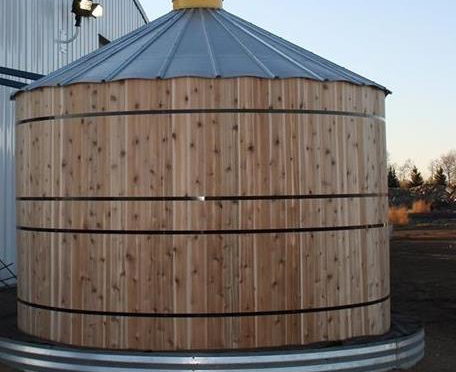
Collecting rain makes sense. Whether you collect it in rain barrels or your storage needs require larger cisterns, rainwater collection and use has a host of benefits.

A young orangutan holding a leaf umbrella in the rain.Here are two main reasonswhy you should change your way of thinking about rainwater collection:
  • Rainwater can be a clean, safe, reliable source of potable and non-potable water
  • Rainwater is relatively clean to begin with and if collected, conveyed, stored, filtered and disinfected properly, it can meet the needs of small scale watering to whole house potable use

Rainwater Collection is Ramping Up


Close-up of a worn, metallic fountain pen nib on a black surface.In a recent article for Forester Network, about the growing rainwater collection industry,ARCSA president David Crawford says, “The field is really ramping up…”

The article goes on to explain, “There are a variety of methods of collecting rainwater – rain barrels, aboveground or underground cisterns, and other collection devices. Such harvested rainwater is frequently used for irrigation, but can also be a source of water for flushing toilets, washing vehicles, and, in some cases, for drinking water.”

Starting off the year by hitting the ground running, RainBank Rainwater Systems of Seattle is currentlydesigning and building systems from Portland, Oregon to Whatcom County, Washington.

As the industry grows beyond a small niche market and becomes mainstream, RainBank has met the call for new steel water tank options in the Washington commercial and residential market with Contain Water Systems Inc– which carry a 20 year, industry high, warranty.

Black and silver keychain with a spherical charm and logo.A dealer forWisy products, Davey Pumps and Viaqua ultra violet disinfection systems – are all available from RainBank (contact us for more information). Additionally, RainBank recognizes the need for ease of ordering rainwater system components online from a local dealer and is continuing to build its website shopping cart.

RainBank Rainwater Systems has 15 years experience in the rainwater harvesting industry and is recognized by top engineering firms, architects and builders in the Pacific Northwest for consulting, design, and construction as the most knowledgeable, experienced, and trusted firm available. Contact RainBank today.