
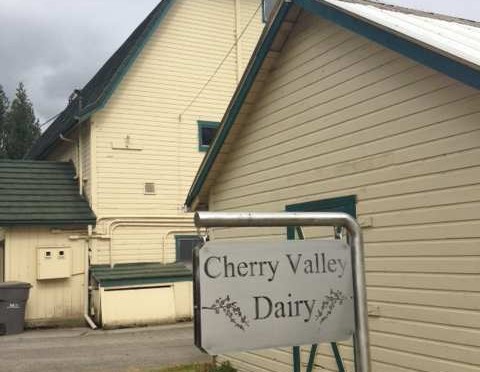
 RainBank Rainwater Systems has been retained to design and build a rainwater collection system for Cherry Valley Dairyin Duvall, WA. The goal is to collect and treat enough rainwater to mitigate the farm’s city water usage by 100%. Currently the farm uses over 7,500 gallons monthly for watering the livestock and milking equipment wash down. With over 12,000 square feet of roof area and approximately 36 inches of annual rainfall, that’s over 269,000 of available rainwater – more than enough to supply the farm’s usage. (Click to see more aboutCherry Valley Dairyon Facebook and while you’re there, don’t forget to like RainBankon Facebook, too!)
RainBank is pleased to see more innovative uses of rainwater collection in the Pacific Northwest. As the economy is growing again, businesses are looking for ways to save on operating costs. With large roof areas and high use operations such as the dairy, commercial customers are recognizing that a return on investment can be achieved in a realistic time frame. Their customers appreciate the “echo friendly” approach to the production of their goods and products.
RainBank is looking forward to working with Cherry Valley Dairy and supports their business approach to be the first in the area to use rainwater collection as their water source.
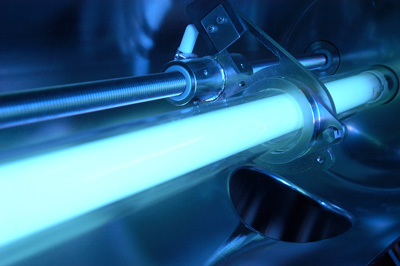
 The final stage of treatment for a potable rainwater collection system is ultraviolet light disinfection (UV). Effectiveness of the UV system is determined bya few factors. First, pre-filtration, which includes a sediment filter and a carbon filter that need to be upstream of the UV. This will help ensure the clarity of water entering the UV chamber, enabling the UV rays to penetrate the water stream.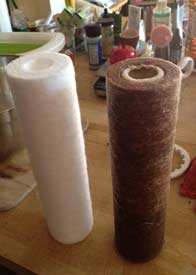
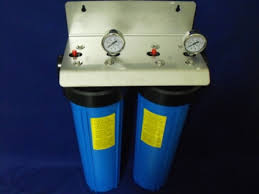 For non potable, toilet flushing and laundry facility systems,it is recommended to add a 10 Micron carbon filter. This filter will remove organics and inorganics, color and odor from you stored rainwater. By having the cheaper 5 micron sediment filter upstream of the more expensive 10 micron carbon filter you will save money by not fouling the carbon filter with particulate less than 5 Microns. Depending on how much use for this type of system, a 4″ x 20″ cartridge will mean less changing of filtration. If the system is to be shut down for a lengthy period, it is recommended that filter cartridges be removed so water will not become septic by decaying bacteria.