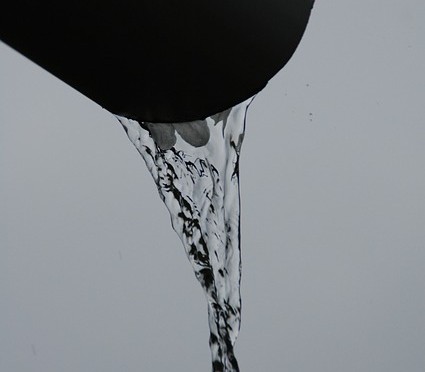
We know we can effectively capture, store, and use rainwater as a safe, viable source of potable water(drinking water) in Seattle and the Pacific Northwest.
A temperate climate offers rainfall throughout the year, including a little in most summers. With low intensity and high frequency rainfall, storage volume to use ratio is close to ideal. The autumn rain returns cisterns to high levels after summer usage and winter’s increased rainfall keeps them at optimal levels. As spring arrives, cistern levels continue to be supplied by less rainfall, but enough to allow summer demands to be met. The Pacific Northwest does not witness an extended “hard freeze” in the winter months as other parts of the country, allowing storage to be unaffected by most weather conditions. Marine winds help keep our air quality above average, with limited pollutants affecting quality. The same weather systems that produce snow caps for our municipal summer supplies also comes to us as rain in lower elevations, which can be stored for immediate and future use.
Storage is calculated by annual and monthly amounts, intensity, frequency, return period, and maximum number of dry days along with catchment area and surface runoff coefficients. Use or demands are based on number of occupants, fixtures, evaporation, efficiencies, indoor and outdoor requirements. Supply and demand equilibrium is compared to determine storage capacity, surplus/deficit, and level of storage. The frequency, return period and monthly amounts in Seattle and Puget Sound region can support whole house, year round use of rainwater collection.
An average 2,250 sq ft house in the Seattle area has the potential of collecting more than 53,000 gallons of water from its roof, rather than entering the storm system and accumulating contaminants before discharging in our waterways. Residential and commercial new construction is mandated to disperse roof runoff onsite, which is a good step toward protecting our waterways. But, why not use that water for our needs? Absorption type filtration, ultra violet light disinfection along with proper design, construction, and maintenance will allow homeowners to easily become their own purveyor of their own water source.
While most municipal water supplies are safe in the US, the recent water crises in Michigan and Ohio have brought public concern of quality and safety of our centralized water supplies. Costly repairs and replacement of an aging centralized water system will be required in the next 20 years. Rainwater collection is a viable, safe source of potable water for the homeowner in many counties in Washington State and elsewhere in the US and should be considered by those who don’t.
Rainwater collection helps protect our environment, conserves energy, decreases water contamination, helps prevent flooding, erosion and sewage releases into our waterways.
Tell your local government that you would like to see rainwater collection for single-family home potable use.

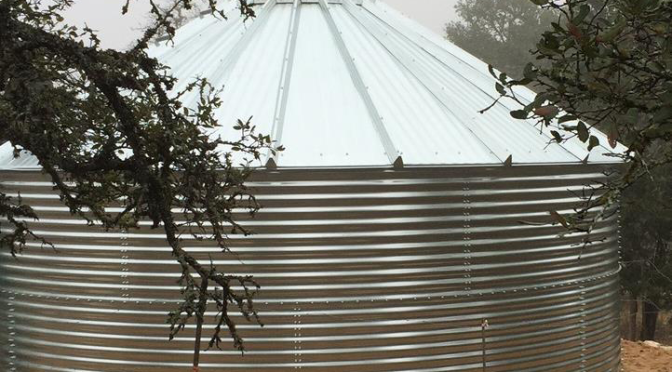
 Our neighbors to the North are considering rainwater collection as a potable source. Rainwater collection is just good practice for sustainability and conservation.
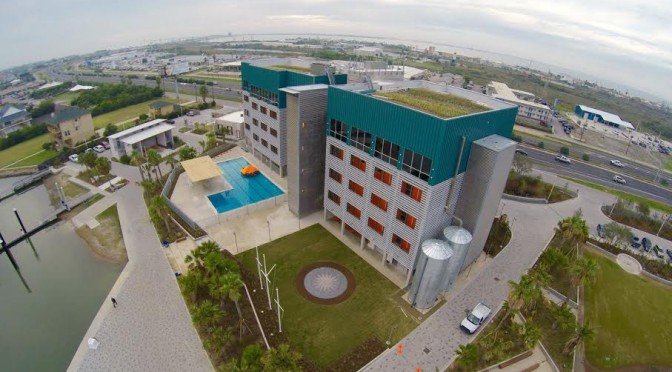
 Thirsty for Rainwater Collection.
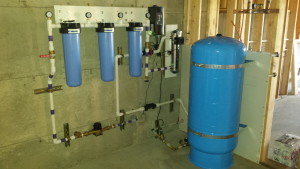 Experience and knowledge.