
Rainwater Harvesting Systems For Irrigation


Close-up of a worn, metallic fountain pen nib on a black surface.

In my blog posts I often neglect to discuss rainwater collection for irrigation demands, even thoughthe most common use of rainwater collection is for non potable use.

While my focus is often on potable whole house usage for residential systems and irrigation as a means of infiltration for commercial applications, the benefits of rainwater collection for both potable and non-potable demand have positive effects for both applications.

Irrigation demands for both commercial and residential can effectively be supplied by collected rainwater. All new construction in Washington State is required to infiltrate runoff on site. This mandate is intended to reduce runoff thatincreases urban flooding and pollution. Impervious surfaces, such as roads and parking lots, typically have oils, greases, and heavy metals. Yards often contain fertilizers, chemicals, and animal waste – all of which can be carried off to our streams, rivers, and lakes. Some of these are a source of drinking water in Seattle and other cities. Groundwater recharge is reduced as urban populations grow. Land development dramatically affects groundwater recharge withincreased impervious surfaces. A rainwater harvesting system allows more opportunity to infiltrate the soil and recharge groundwater supplies.
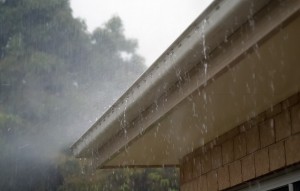
Close-up of a worn, metallic fountain pen nib on a black surface.By capturing roof runoff and storing it for use in irrigation, a developer can infiltrate this runoff on site and meet the requirements set forth by the city and state. Stormwater runoff is decreased; infiltration is increased, while saving costs from reduced demands on city water.

Rainwater is relatively clean as it falls on our roof. If properly collected and stored, very little filtration is needed, resulting in a clean, viable source of water for irrigation with less threat to our environment. Following conservative landscaping methods using swales, rain gardens, drought tolerant plantings, and permeable surfaces, irrigation demands can be reduced – allowing for a cost effective means of irrigation. Even more cost savings can be achieved by including toilet flushing in the rainwater system design.

Both commercial and residential developers can benefit from rainwater harvesting systems intended for irrigation. Cost savings, water quality, and environmental protection are all positive outcomes for the developer and community. Being known in the community as a business or residence that cares about our environment and its resources is often admired by customers and friends. Future generations need for us to practice conservation now to ensure safe, sustainable water sources. Rainwater collection can be part of this commitment.
Steel Water Tank Distributors Wanted


Close-up of a worn, metallic fountain pen nib on a black surface.
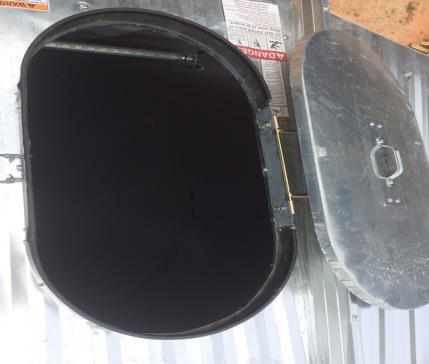
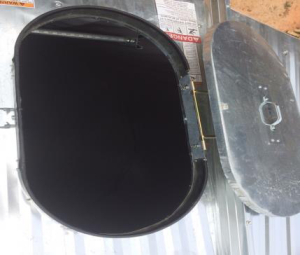
Roof Access Doors

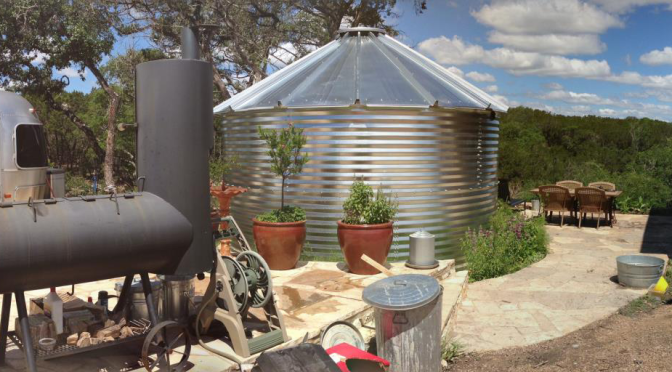
RainBank is seeing unprecedented growth in the rainwater collection industry, specifically in commercial construction, with high demand for quality steel water tanks, like those manufactured by Contain Tank Systems, Inc.

In January, we announced that RainBank Rainwater Systems is the NorthwestPinnacleSteel Water Tank dealer andContain Tank Systems Inc.certified installer.

The Door is Open For New Steel Water TankDistributors

Close-up of a worn, metallic fountain pen nib on a black surface.
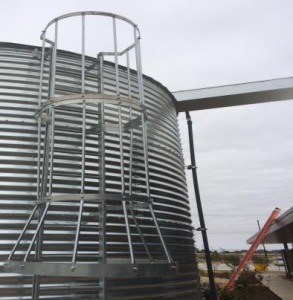
Ladders & OSHA Cages

For our colleague companies in the sustainable construction industry with a focus on irrigation, fire suppression, rainwater systems, plumbing, engineering and architecture, RainBank wants to develop relationships with prospective steel water tank distributors in Spokane, Seattle, Portland, WA; Boise, ID and British Columbia, Canada.

If you are a plumbing supplier, fire suppression supplier, engineering firm, architect, general contractor, or mechanical contractor, we want to hear from you about partnering to distribute steel water tanks through RainBank.

Some benefits of Contain steel water tanks are:

  • Highest quality products
  • Contain Water Systems tanks are backed by a 20-year warranty, which issignificantlylonger than anything else found on the market
  • Tanks are engineered to meet seismic code compliance
  • Tanks come with a standard engineering package and all models have the option to be wet sealed and stamped upon request
  • Tanks comewith a geotextile pre-liner and flexible membrane liner for potable and non-potable applications with tank liners secured to the walls with engineered brackets
  • Tank sizes range from 6 feet to 48 feet in diameter, with capacity up to 428,602 gallons
  • Tanks are field erected by certified installers

RainBank offers extremely competitive pricing for quality products to qualified dealers in our northwest territory. Use the form below to start the conversation about becoming a RainBank steel tank distributor.

Go back

Your message has been sent

Warning
Warning
Warning
Warning
Warning
Warning

Warning.

Water Is a Limited Resource We Can’t Live Without


Close-up of a worn, metallic fountain pen nib on a black surface.As World Water Day 2016 approaches (March 22) , I’d like to share this throwback Thursday blog post with you as a reminder that water is a limited resource, without which life cannot be sustained.

As more and more cities are showing signs of water stress due toaging infrastructure, we must pay attention to the fact that Americans are being poisoned by their water supplies – and that is a public health crisis.

As we shared in 2015, “According to the World Water Development Report by the United Nations “A 40% shortfall of freshwater would be experienced as soon as 15 years.”Eight citiesthroughout the world were cited to witness severe fresh water shortages due to failing infrastructure, saltwater intrusion, sewage and plumbing failures, population growth, and pollution. The report went on to recommend actions of”read more.

More about World Water Day:World Water Day is an international observance and an opportunity to learn more about water related issues, be inspired to tell others and take action to make a difference.

Each year, World Water Day highlights a specific aspect of water. For 2016, the theme is ‘Water and Jobs’, to focus onthe correlationbetween water, work andthe pushfor sustainable development.

Rainwater Systems