
All posts by Ken Blair

A rainwater collection systems designer and consultant, Ken has designed and installed residential and commercial systems, primarily in the northwest United States for more than 10 years and, in 2014, began consulting and managing builds in other states. Ken is an accredited ARCSA Professional Designer / Installer and Life Member, the Northwest Regional ARCSA representative and advisor to its education committee and is available to speak about Rainwater Collection Systems design and builds. Ken is a United States Navy veteran, having served on active duty during the Vietnam War era. A career entrepreneur, Ken created a new business focus with a commercial dive company in Hawaii in the mid 1980′s to respond to and clean up oil spills, oil spill equipment training, service and maintenance for the oil co-op service industry. Ken is passionate about having a positive impact on the environment and is also a founding director of BANK-ON-RAIN (2011-2014), whose mission is to create grassroots solutions for rainwater collection for consumption and agriculture in developing areas of the planet.

Rainwater Harvesting in Greater Seattle


Close-up of a worn, metallic fountain pen nib on a black surface.More and more, folks are reaching out for information on rainwater collection and harvesting practices in the Puget Sound area, especially Greater Seattle.

As we field inquiries, add products and services, we also try to educate about rules and regulations and overall benefits to including rainwater harvesting in new construction plans, as well as the value of capturing rain for renovation projects. Harvested rainwater can be used for so many applications – toilet flushing, laundry, irrigation, vehicle wash down, fire suppression and, in many municipalities, drinking.

Harvested rainwater can be supplemental to city or well water, which reduces load on public water supplies and aging infrastructure and puts the resident or business in charge of the quality of water.

We’ve shared quite a bit of knowledge in our blog posts; here are a couple of articles that may help you decide to move forward with your plans for rainwater collection in your new home, renovation or commercial project:

WHAT IS SEATTLE’S POSITION ON RAINWATER COLLECTION?

In October 2009 Washington State revised its water rights laws to allow rainwater collection. King County (Seattle) has adopted rainwater collection for potable use in single-family dwellings, as well. Read more…

WANT TO LEARN MORE ABOUT RAINWATER COLLECTION IN SEATTLE?

The practice of rainwater collection has been around for centuries. Until recently, it was thought to be a “hippie”or “doomsdayer” alternative, but rainwater collection is now increasingly recognized as a viable source of water. Cities throughout the US are supporting and encouraging rainwater catchment andpracticable waterconservation.Read more…

As always, we encourage you to know your contractor and be sure that the professional you hire for your project has the credentials to take you from start to finish. Ask if your contractor is an ARCSA accredited or certified professional. Members are trained and required to have continuing education in order to provide a safe source of water. Be sure the designer has understanding in the field of water systems and that your contractor has familiarity and expertise ininstallation.

For those seeking more information in Greater Seattle and Washington state, of course we welcome your inquiries. Go ahead and leave a comment, or contact us privately (we try to respond with 48 hours).
Good News for Seattle Rainwater Collection Community


Close-up of a worn, metallic fountain pen nib on a black surface.
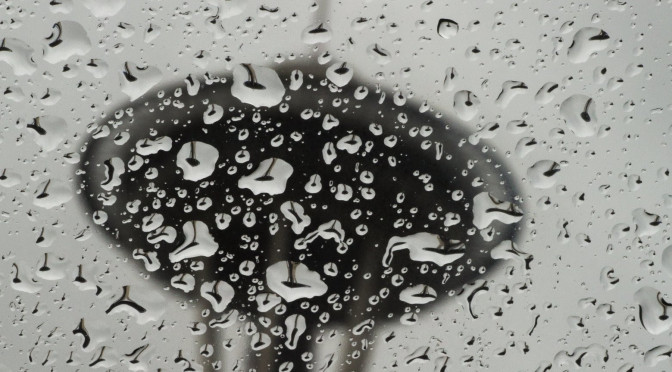
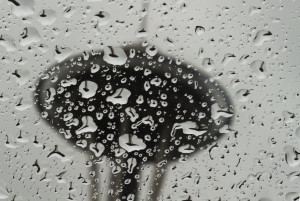
The Space Needle appears upside down in raindrops on the window of a car in January. (Ellen M. Banner / The Seattle Times)

The Seattle Times reports, “Between thebeginning of December and Thursday night, a total of 22.78 inches of rain fell at Seattle-Tacoma International Airport, the official climate station for Seattle. The winter months have also been warmer than usual in Seattle, with no measurable snow and higher than averagetemperatures in December and February.”

If El Niño predictions of a warmer wetter Spring are correct, rainwaterharvesters in Seattle can expect their cisterns to remain at high levels leading into summer.

Our neighbors to the South in California have seen increased rainfall this winter, but are already hoping for a wetter Spring.”Sacramento is in the peak of it’s rainy season, but there is nosubstantial rain in theforecast. The Sierra snowpack has fallen below normal levels for this time of year.” reported by the Sacramento Bee. Jan Null, a private consultant with Golden Weather Services explains, “This year’s winter is yet another reminder that El Niños are unpredictable and any long-range weatherforecast is suspect. The nexus of warm water in the Pacific is farther West than usual this year. That is a factor in determining where therainfall will fall.”

According to federal water planners, surface and groundwater suppliesavailable now will not meet water demands in the future.In order to meet the demand, we must conserve water anddevelop alternative supplies now. The American Rainwater Catchment Association (ARCSA) advocates that one solution is rainwater collection, which captures, diverts, stores, uses, and returns water to theaquifers by infiltration. Rainwater can be used for irrigation, and livestock watering. If properly filtered it is a great source forlaundry andtoilette facility.Captured rainwater, after being properly treated can be used for drinking, cooking, and cleaning.

RainBank Rainwater Systems has been part of this conservationmovement for more than 15 years, with designs and installs throughout the Pacific Northwest for commercial and residential systems. We are the Northwest Master Dealer for Contain Water Tanks Inc. and dealer of Wisy products. RainBank offers dealership opportunities for those who are wanting toexpand their business in water conservation and rainwater collection. RainBank Rainwater Systems offers ARCSA accredited system designs, permitting, in house engineering, licensed plumbers, and aprogressiveapproach.

Use the form below to contact us about becoming a dealer.

Go back

Your message has been sent

Warning
Warning
Warning
Warning
Warning

Warning.

Collecting Drinking Water in Seattle


Close-up of a worn, metallic fountain pen nib on a black surface.We receive many requests from Seattle and King County residents about whether they can collect water for drinking, and if so, how does the process work?

Here are some of our favorite blog posts about collecting drinking water in Seattle:

CAN I COLLECT DRINKING WATER FROM MY ROOF IN SEATTLE?

You can have a potable rainwater collection system designed by an engineer, licensed in the state of Washington with experience in RWC, or an ARCSA(American Rainwater Catchment Systems Association) accredited professional. READ MORE

WHEN IS PERMITTING REQUIRED FOR A SEATTLE RAINWATER SYSTEM?
In January 2011, King County Department of Health adopted rainwater collectionfor potable use for detached single-family dwellings. READ MORE

WHAT IS SEATTLE’S POSITION ON RAINWATER COLLECTION?
In October 2009 Washington State revised its water rights laws to allow rainwater collection. King County (Seattle) has adopted rainwater collection for potable use in single-family dwellings, as well. READ MORE

When all is said and done, once you’ve decided to add rainwater collection to your new or existing dwelling, it’s important that you work with an accredited professional with the knowledge and resources to design and build a system that will meet your water needs for many years.