

 I have been designing and installing rainwaterharvesting systems in King County and throughout Washington State for 15 years and am still amazed and dismayed at the misinformation that is presented to the pubic wheninquiring about the legality, procedures, and permitting for rainwater harvesting.
TRUTH: Rainwater collection is legal throughout Washington State
Washington State Department of Ecology issued an interpretive policy statementclarifying that a water right is not required for rooftop rainwaterharvesting.Asdescribed by Washington State Department Ecology, Clarifications of Washington State Rainwater Law Pol 1017 in reference to RCW980.03 & RCW90.54 and the Environmental Protection Agency’s paper on Rainwater Harvesting Conservation, Credit, Codes, and Cost Literature Review and Case Studies
False: Rainwaterharvesting is not allowed for drinking water in Washington State.
It is up to each county and city in Washington State to allow for potable usage of rainwater. King, Jefferson, Whatcom, San Juan, Skagit, and Island are counties that currently allow potable use of rainwater for a single-family residence. It is the health department of those counties that are the typical authorities forregulations and permitting.
Here are some resources for gathering information about rainwater collection guidelines in Washington:
- King County
- Jefferson County
- Whatcom County
- San Juan County
- Island County
- Skagit County *note: Skagit County is currently developing policies and procedures
As Washington State counties arerecognizing thebenefits of rainwater collection and the fact that rainwater can provide a viable source of water for potable usage, other counties willadopt RWC as an alternative water source.
RainBank Rainwater Systems is the leader in rainwater collection system designs and installations in Washington State and president Ken Blair is the NW RegionalRepresentative for The American Rainwater Catchment Systems Association (ARCSA). RainBank is committed to helpingcustomers andcounties understand thebenefits, standards, and policies of rainwaterharvesting in order to provide a clean, safe, viable source ofquality water.
Seattle waterfront park photo is courtesy of Nicola under Creative Commons
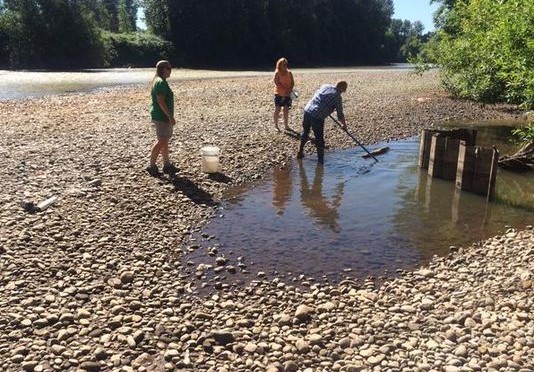
 Snohomish County has over 1,000 water districts that are close to drying up, which ramps up theneed to purchase potable water from the city of Everett. Spada Lake is dangerously low, which jeopardizes water availability for fighting fires

 Rather than continuing the “water war” in the valley, the Building and Health Departments should be promoting rainwater collection. Let the people know that there is a viable solution, so they can build their homes. Offer real case studies from other counties on the quality, availability, and affordable costs of a RWC system. Education aboutalternative water sources is available from the American Rainwater Catchment Systems Association (