

 I have been designing and installing rainwaterharvesting systems in King County and throughout Washington State for 15 years and am still amazed and dismayed at the misinformation that is presented to the pubic wheninquiring about the legality, procedures, and permitting for rainwater harvesting.
TRUTH: Rainwater collection is legal throughout Washington State
Washington State Department of Ecology issued an interpretive policy statementclarifying that a water right is not required for rooftop rainwaterharvesting.Asdescribed by Washington State Department Ecology, Clarifications of Washington State Rainwater Law Pol 1017 in reference to RCW980.03 & RCW90.54 and the Environmental Protection Agency’s paper on Rainwater Harvesting Conservation, Credit, Codes, and Cost Literature Review and Case Studies
False: Rainwaterharvesting is not allowed for drinking water in Washington State.
It is up to each county and city in Washington State to allow for potable usage of rainwater. King, Jefferson, Whatcom, San Juan, Skagit, and Island are counties that currently allow potable use of rainwater for a single-family residence. It is the health department of those counties that are the typical authorities forregulations and permitting.
Here are some resources for gathering information about rainwater collection guidelines in Washington:
- King County
- Jefferson County
- Whatcom County
- San Juan County
- Island County
- Skagit County *note: Skagit County is currently developing policies and procedures
As Washington State counties arerecognizing thebenefits of rainwater collection and the fact that rainwater can provide a viable source of water for potable usage, other counties willadopt RWC as an alternative water source.
RainBank Rainwater Systems is the leader in rainwater collection system designs and installations in Washington State and president Ken Blair is the NW RegionalRepresentative for The American Rainwater Catchment Systems Association (ARCSA). RainBank is committed to helpingcustomers andcounties understand thebenefits, standards, and policies of rainwaterharvesting in order to provide a clean, safe, viable source ofquality water.
Seattle waterfront park photo is courtesy of Nicola under Creative Commons

 You live in Seattle,where space is at a premium. You may not have a large lawn for tank placement, but you still want to live sustainably. You’ve already reduced your household and business energy usage and you recycle and reuse products to extend their life. So, how can you capture a vital resource by collectingrainwater in Seattle’s tight living space?
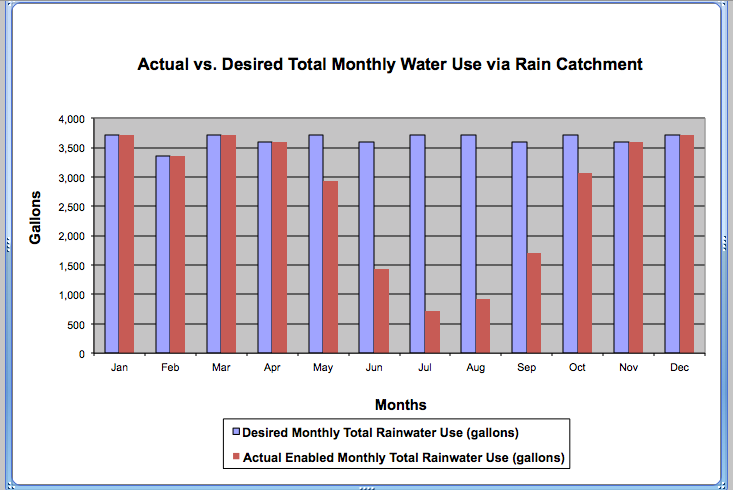

 The Rainwater collection industry is rapidly becoming more accepted, consumers are becoming more aware of water shortages, quality of water, and increasing costs of operations of a centralized water system are being passed onto the customer. Many are turning to a supplementary source of water, whether from a simple rain barrel, for small irrigation needs or a large-scale sustainable system for whole-house demands. The industry itself is changing and becoming more complex. States and counties throughout the US are witnessing such a rapid growth in interest of rainwater collection, many are struggling with regulations and standards to ensure public safety. In addition, increased demand is beginning to outpace the supply of available, qualified RWC system designers and installers. Without proper regulations standards, improper designs and installations by unqualified persons can lead to underperforming or even dangerous systems.