
 The Washington Post, using NASA data, is reporting that the planet is indeed running out of water at rates that are frightening.
According to NASA satellite data, on a worldwide basis, morefresh water is being taken out of aquifers than is going into them. This means that our planet’s water supply has hit levels that are not sustainable in the long-term.
“The situation is quite critical,” said Jay Famiglietti, senior water scientist at NASA’s Jet Propulsion Laboratory in California and principal investigator of the University of California Irvine-led studies.
Of course, the California drought makes matters much worse, as it’s being reported that 60% of current water use there comes from aquifers – and that rate is expected to increase by the end of the year.
Read more from the Washington Post and see the NASA satellite datafor yourself.
Do you know that RainBank is a RWCleader in the Pacific Northwest? To learn more about Rainwater Collection Systems, you can also visit ARCSA (American Rainwater Catchment Systems Association).

 Have you ever thought about how much water it takes to produce the foods we eat, that are grownin the United States? Manyof these come from drought-ridden California, where water is a vital componentto supportits agricultural industry.
 According to the article, these foods are among the highest amount of water needed: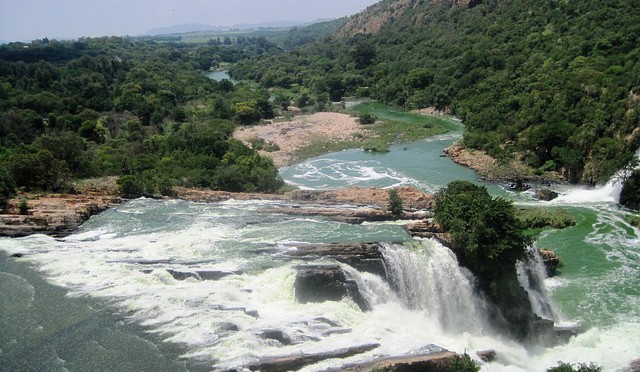
 The continual movement of rainfall from the bodies of water, land, and the atmosphere is part of the
 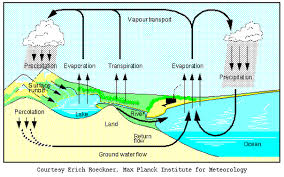 When rainfall reaches the surface it infiltrates into the soil, becoming groundwater. The infiltrated groundwater recharges our aquifers, rivers and lakes. Water that runs off the surface is referred to as stormwater. Water is returned to the atmosphere through evaporation by the sun heating the water, changing it to a gas and it rises into the atmosphere and becomes vapor again.