

And put them in a tree museum
Then they charged the people
A dollar and a half just to see ’em
Don’t it always seem to go,
That you don’t know what you’ve got
‘Til it’s gone
They paved paradise
And put up a parking lot
Big Yellow Taxi, Joni Mitchell
 Released in 1970, artist Joni Mitchell hit the nail on the head with this lyric from her song, Big Yellow Taxi, practically predicting the future. A recent NY Times article titled Drought Adds Wrinkle to ‘Rain Room’ Exhibit in California, reports on “Rain Room” an exhibit at the Los Angeles County Museum of Art, which gives visitors the experience of walking through rain without getting wet. Motion sensor cameras pause the water as people walk beneath them, “creating a Moses-parting-the-seas kind of spectacle – the exhibit here is truly novel and timely, a reminder of what is missing in the parched West these days”.
One drought-weary Californian commented on the irony, “The only rain we get is indoors, and it doesn’t hit us, said Ken Bruce, who spread his arms wide as he walked under the high-tech rain ceiling in a mostly fruitless attempt to do what people normally avoid at all costs: get wet. I wouldn’t have minded being hit by some of it”.
Museums typically showcase precious artifacts – often priceless items of historical, scientific, artistic value. Has rain become such a precious commodity that future generations willonly be able to experience it in a museum?
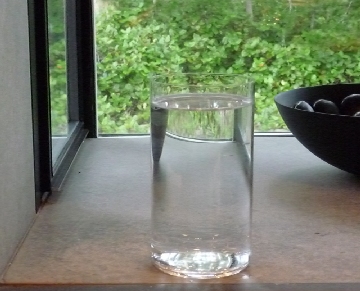
 Although it is fairly clean at the outset, when it comes in contact with impure surfaces, rainwater may need some treatment before drinking. A rainwater collection system designed with filtration and disinfection will get the job done.
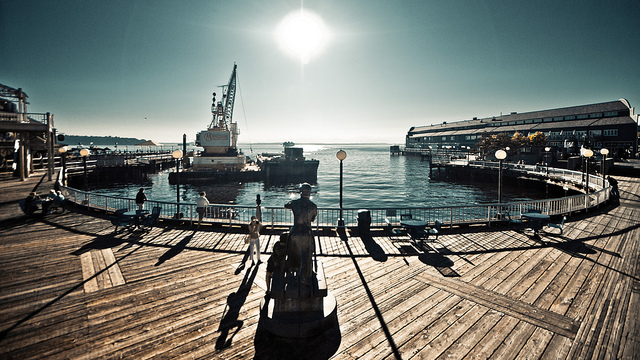
 I have been designing and installing rainwaterharvesting systems in King County and throughout Washington State for 15 years and am still amazed and dismayed at the misinformation that is presented to the pubic wheninquiring about the legality, procedures, and permitting for rainwater harvesting.