All posts by Ken Blair

A rainwater collection systems designer and consultant, Ken has designed and installed residential and commercial systems, primarily in the northwest United States for more than 10 years and, in 2014, began consulting and managing builds in other states. Ken is an accredited ARCSA Professional Designer / Installer and Life Member, the Northwest Regional ARCSA representative and advisor to its education committee and is available to speak about Rainwater Collection Systems design and builds. Ken is a United States Navy veteran, having served on active duty during the Vietnam War era. A career entrepreneur, Ken created a new business focus with a commercial dive company in Hawaii in the mid 1980′s to respond to and clean up oil spills, oil spill equipment training, service and maintenance for the oil co-op service industry. Ken is passionate about having a positive impact on the environment and is also a founding director of BANK-ON-RAIN (2011-2014), whose mission is to create grassroots solutions for rainwater collection for consumption and agriculture in developing areas of the planet.

Potential Unexpected Costs From GSI Mandate


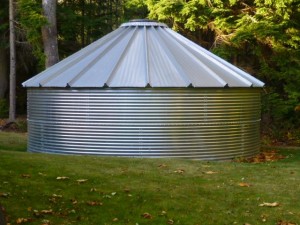
A round metal grain silo in a grassy area surrounded by trees.The GSI mandate or “Green Stormwater Infrastructure” can create unexpected costs for new commercial and residential construction.Controlling stormwater through GSI compliance requires on-site infiltration and/or use.

Roof runoff, along with impervious surfaces,contributes tooverwhelmed stormwater systems, which may result in pollutants entering our waterways and wetlands. A design using both methods of rainwater collection and infiltration can be the most cost-effective, while being beneficial to the environment.
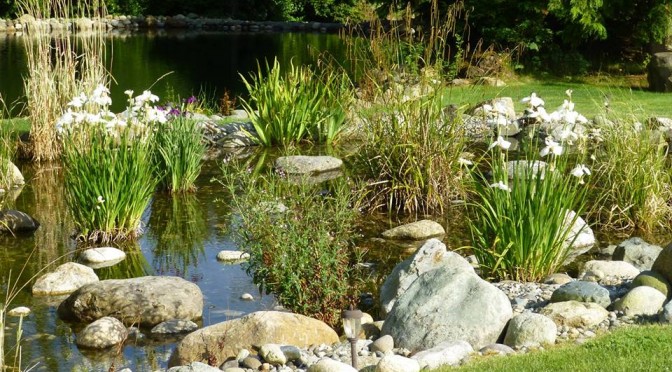
A serene garden pond surrounded by rocks and lush greenery.Directing roof runoff for irrigation, toilets, laundry, or even pre-infiltration potable water, will reduce costs frommunicipal water supplies. During the rainy season, collected water can supply these uses while overflow from the cistern can be directed to infiltration.Irrigation in the summer months being supplied by the desired amount allocated from storage will enable the rain garden or infiltration system to be sized for a smaller amount of runoff while supplementing city water usage.


Rainwater Catchment is a Viable Source of Clean Water for Home


City skyline at dusk with a rainbow and ferris wheel.Seattle residents are discovering that rainwater catchment is a viable source of clean water for their homes.
Many Seattle residents are having rainwater collection systems designed and installed to augment their city water usage. A simple rain barrel system that the home owner can install is just the tip of the iceberg for the increased use of rainwater collection.

Irrigation demands of landscaping arebeing met by rainwater catchmentin urban environments by residential and commercial consumers. Whether the application is for new construction or existing buildings and homes, many are opting for a greener way to control stormwater runoff. While new construction is mandated to infiltrate on-site runofffrom roofs, existing buildings and homes are discovering rainwater collection can offset their water and sewer bill.

Rainwater is generally without chlorine or additives that city water has and is beneficial to the healthy growth of plants. A simple rain barrel system for small irrigation needs is easyto install and can supply enough water for a limited amount of irrigation. Larger systems for irrigation can be achieved with underground cistern or slimline tanks. These systems are generally gravity fed to the cisterns and pressurized with a booster pump to faucets or hose bibs.

Rainwater catchmentfor irrigation demands isthe introduction to household usage such as toilet and or laundry facility systems. Approximately 50% of household use of water is for these purposes. Whole house use of filtered, disinfected rainwater can supplement city water usage with quality, safe, potable water thus reducing monthly water and sewer bills. An automated system, when designed and properly installed, allows ahomeowner or commercial building maintenance personnel,hands-free switching from city to rainwater.

Seattle Downtown After Rain” by ruoyun is licensed under CCby2.0

Rainwater Collection at New Sea Scout Base


Two palm trees, one healthy and one dried, displayed indoors.In an earlier post, we told you about RainBank’s rainwater collection project for the new Sea Scout basein Galveston, Texas.

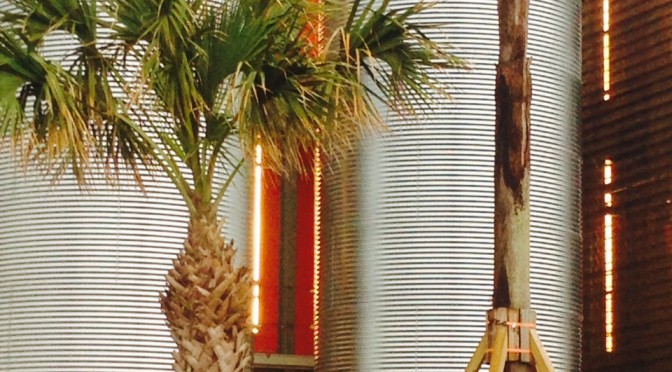
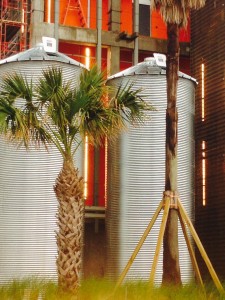
The team from Seattle-based RainBank is winding up the installation offour25,000 gallon water tanks for the Sea Scout Base.

Industrial facility with large storage tanks and fencing under a clear sky.The base and it’s platinum LEED rating is a credit to the Sea Scouts of America and their commitment to creating a better place for young seafarers. RainBank is proud to be a part of this worthy project and wishes smooth sailing for all those involved.