
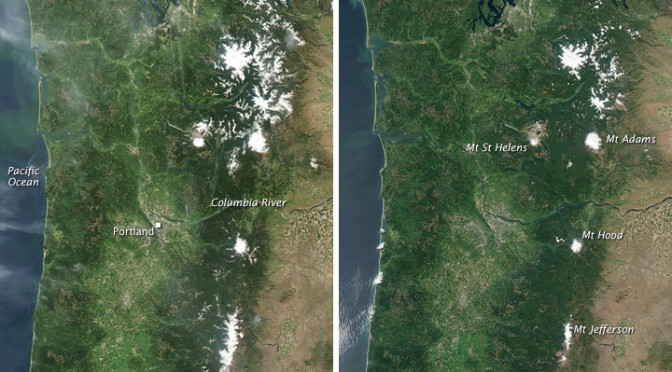
 Forecastsindicate that the El Nino weather pattern is expected to continue bringing wetter, warmer forecasts for the winter, and continued dryer weather for next summer for the west coast. It is expected that we will see the same weather this next year as we did this year. Less snowpack in the Cascades will mean once again a limited amount of water formunicipal water supplies. A warmer and wetter winter will fillreservoirs, but Seattle’sexperience this year showed that without that snowpack to replenish stored levels, supplies fall short as summerstretches on. Many small waterdistricts in the Pacific Northwest found themselves runningextremely low, while Seattle Public Utilities is continuing to ask its customers to scale back usage.
There has been an increase in interest in rainwater collection for single-family residences in Seattle and other areas of WesternWashington this summer for potable and non-potable systems. Non-potable systems are being sought primarily for irrigation, but the real increase is in whole house potable demand. As our population in the Seattle area has increaseddramatically and drier conditions in the summer are causing higher demands, many arepreparing in advance for next summer.
A well-designed and installed rainwater catchment system can provide water to a single-familyhousehold year-round or supplement city water use during the summer. A non-potable system can ease the demand on city water by using collected rainwater for irrigation during those dry periods. Many of RainBank’s customers are commenting once again “that this is the right thing to do” – a messagethat I used to hear often before therecession. Folks want to do the right thing for the environment regardless of acrisis.
We must take population growth and protection of our natural resources seriously. Water is the one thing we cannot do without.

Ken is a United States Navy veteran, having served on active duty during the Vietnam War era.
A career entrepreneur, Ken created a new business focus with a commercial dive company in Hawaii in the mid 1980′s to respond to and clean up oil spills, oil spill equipment training, service and maintenance for the oil co-op service industry. Ken is passionate about having a positive impact on the environment and is also a founding director of BANK-ON-RAIN (2011-2014), whose mission is to create grassroots solutions for rainwater collection for consumption and agriculture in developing areas of the planet.