
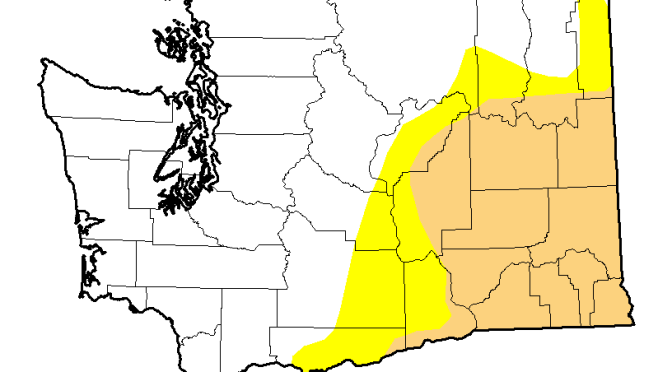
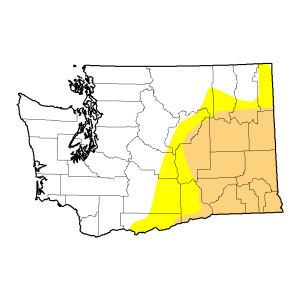
 Here’s some good news for Washington state drought watchers – the Department of Ecology has lifted the drought emergency and the governor’s Executive Water Emergency Committee recommends the drought declaration not be continued for this year.
More Good News
Heavy rains and snow have pulled Western Washingtoncompletely out of the woods, with the eastern portionof the state quickly following suit. The U.S. Drought Monitor still shows eastern Washington in the dry to moderate zone, but compared with the report from just three months ago, the turnaround is sizable.
Since much of Washington’s water supply comes fromsnowpack accumulations, and which are more than 100 percent of normal for this time of year, current conditions just don’t meet the criteria required for the declaration of a drought emergency.
Weather forecasts for through March are for warmer, drier conditions as a result of El Niño, so Washington’sWater Supply Advisory Committeewill continue to monitor water supply.
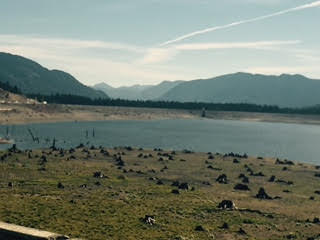
 According to some predictions, this winter the Seattle area will continue with warmer than typical temperatures. Essentially we could have a repeat of last winter with not much snowpack towards the end of winter. The good news is – we are getting above average of rainfall this December and the trend is expected to follow throughout the winter.
 We stand a good chance of seeinga lot of the snow pack disappear before early spring, which puts us in a possible drought condition again next summer.
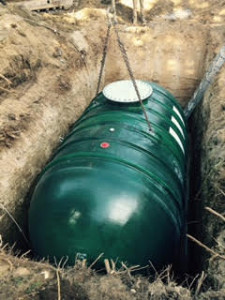
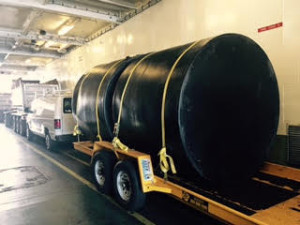 Most of our designed/installed systems in the Seattle area are supplemental to city water, allowing storage ofthe collected rain for those times when most needed.
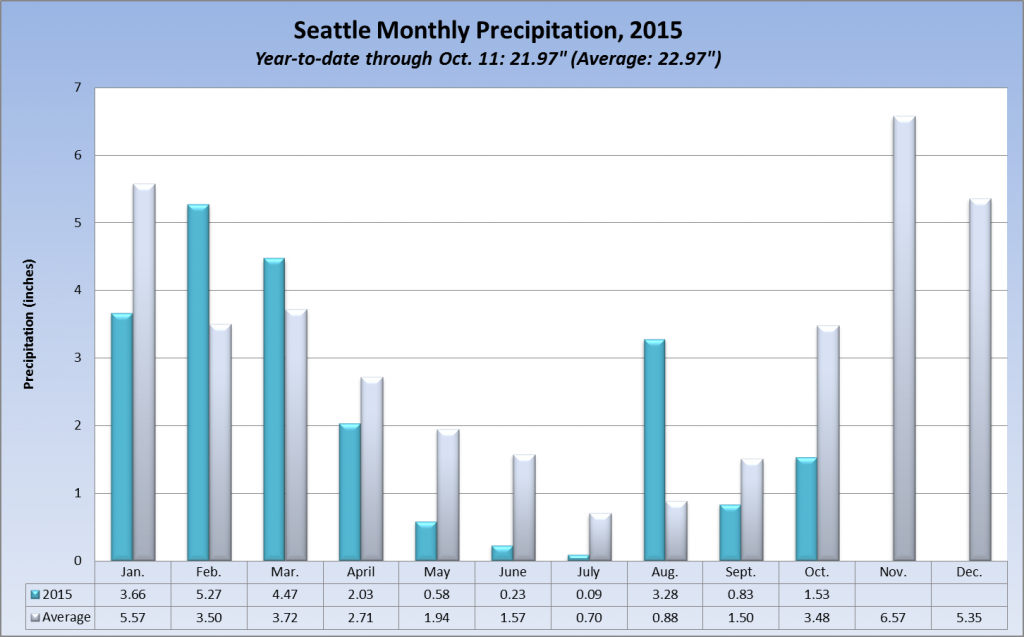
 Annual rainfall for one year to date is only 1″ below average in Seattle. But, an expected warmer winter will mean a low snowpack for water reserves next summer. With already low levels in our reservoirs and less snowpack, the answer to the shortfall question could be yes.
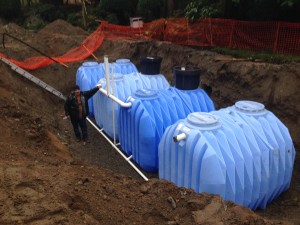 An average 2,000 square foot home in Seattle will yield over 44,000 gallons of water annually from the roof. Storing enough of this yield to get through the dryer summer months does not have to be large scale. A household using 120 gallons per month would require approximately 10,000 gallons to see them through the dry season AND that’s for whole house usage. Toilet and laundry facility uses approximately 48% of household demand requiring one half of that amount of storage.