
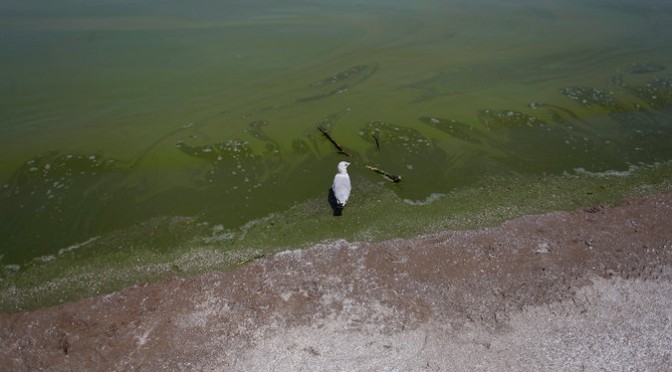
The recentnews aboutToledo’s water supply being affected by a toxic algae bloom, disturbing over one half million customers, has us asking once again – how safe are our water supplies?
It wasn’t toomany months ago that the coal spill in the West Virginia river had residents scrambling for an answer. Aging infrastructure, with its inherent problems of failures causing water boiling advisories, are becoming more common. The use of fertilizers and insecticides are migrating into our water supplies. Industrial urbanization is leaching toxins into our waterways and wetlands, eventually ending up in aquifers, lakes, and reservoirs.
The National Resource Defense Council has asked for the Federal government to step in and find a solution to this problem. However, the Fertilizer Institute ispart of a coalition of industry and agricultural interests that are opposing Federal efforts to restore some coverage of the Clean Water Act.
Centralized water is being threatened by many facets. A decentralized water system may be the answer to a safe drinking water supply for us all.
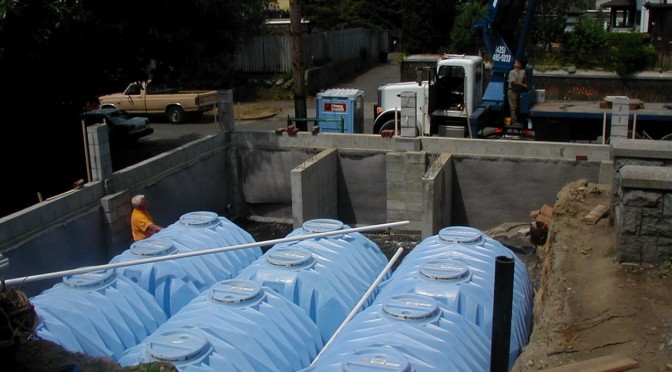
 New stormwater regulations forrunoff and green storm water infrastructure are adding to the costs of new residential and commercial construction in Seattle and elsewhere. Infiltration of runoff from roofs, driveways, and all impervious surfaces are mandated by local and Federal agencies. While infiltration does help reduce storm water runoff, the added costs of implementing infiltration or a rain garden can be considerable, with no return on investment for the home owner or building’s owner.
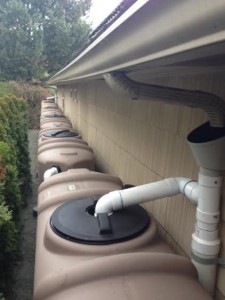 While the average monthly billing increases are not enough to pay for a rainwater catchment system, the costs of designing and implementing an infiltration system or a rain garden are significant enough that if redirected to designing and building a rainwater collection system along with lower water and sewer bills, a homeowner or building owner will recognize a return on investment.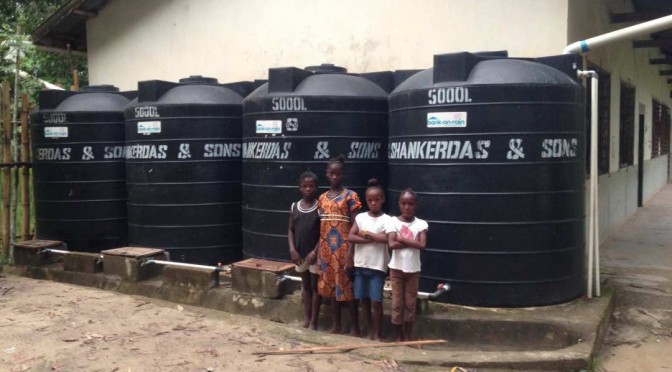
 RainBank is very pleased to announce that its submitted photo was accepted for inclusion in the newAmerican Rainwater Catchment Systems Association marketing brochure.