

 As we’ve shared in the past, the mission of The American Rainwater Catchment Systems Association (ARCSA) is to promote sustainable rainwater harvesting practices to help solve potable, non-potable, stormwater and energy challenges throughout the world.
Let’s also congratulate ARCSA for its sound business practices and for having attained theGuideStar ExchangeGoldparticipation level, a testament to the organization’s leadership. This leveldemonstrates ARCSA’s deepcommitment to transparency and accountability.
“Through the national and international work of ARCSA’s Board of Directors and its members, representing government, academia, trade groups, and industry, ARCSA is helping to transform a local and renewable water resource into a global solution for water challenges. This transformation is helping to create jobs, to boost local economies, to improve water quality of receiving waters, and to reduce the dependence on strained municipal clean water supplies.”
You can learn more about ARCSA and rainwater collection by visiting its FAQ page.
ARCSA is engagedin many initiatives for 2015, including its popular annualconference, now in its 11th year, to be held in November in Long Beach CA. This year’s theme is “Beyond The Garden”, and will offervaluable information about residential and commercial rainwater collection ideas, opportunities, and initiatives – for potable and non potable applications.
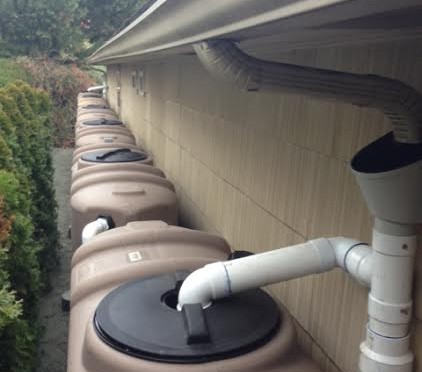
 SWMP applies to the municipal separate storm sewers owned and operated by the city. SWMP address the National Pollution Discharge Elimination System (NPDES) and is permitted by ecology. Seattle Public Utilities (SPU) is the lead city department responsible for implementing permit coordination in SWMP.
 Does Seattle allow rainwater collected from the roof to be used for drinking water?
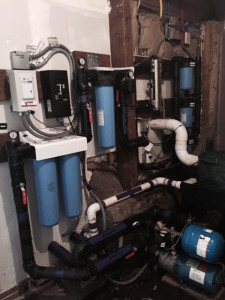 A typical filtration/ disinfection system consists of a sediment filter, activated carbon, and ultra violet light and is adequate for achieving potable standards. Adding a 1-micron absolute sediment filter before the UV adds a higher level of endurance of cyst removal. Other possible contaminants can be identified by testing “raw water” before the filtration train and then can be removed by additional filtration. The last device should be an ultra violet light, which must carry a “class A” rating.