Category Archives: Rainwater Catchment

A Greener Approach in Yavapai County AZ


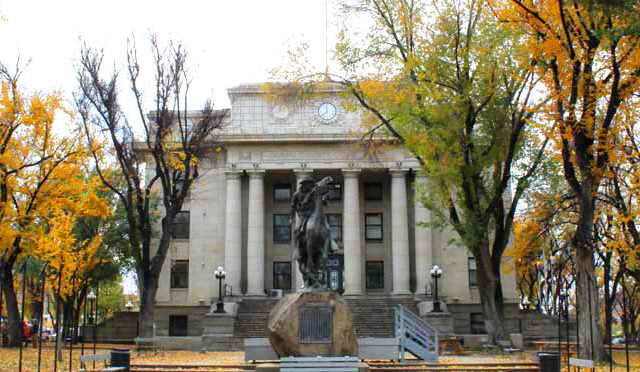
Close-up of a worn, metallic fountain pen nib on a black surface.The Prescott News has reported that Yavapai County (AZ) Government is including a greenerapproach tonew construction for a few county buildings. Rainwater collection and solar were included in the “reduction of energy and water usage.” Solar and LED lighting are already proving to be a significant cost savings in existing county building and are expected to do so in future projects.

Rainwater collection will supply irrigation requirements for both the new library and the county health services in Yavapai County. Low flush bathroom fixtures and alternatives in new technology in irrigation nozzles will be used to further the conservation examples to reduce future costs and public education of practices.
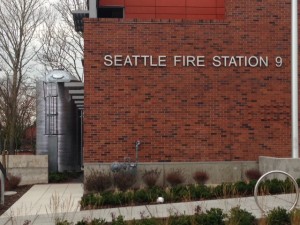
The exterior of Seattle Fire Station with a brick facade and signage.Federal and state buildings in Washington and Oregon have included these practices as well fire stations, schools, county buildings and military projects. Private practice has also jumped in with conservation and sustainability throughelectrical and water.

At RainBank Rainwater Systems, we applaud the conservation efforts of our officialsand the continued public education aboutsustainability, whether here in Seattle, throughout the Pacific Northwest, around the country, like in Yavapai County, AZ – and the world.

Meeting the 2016 Seattle Stormwater Code


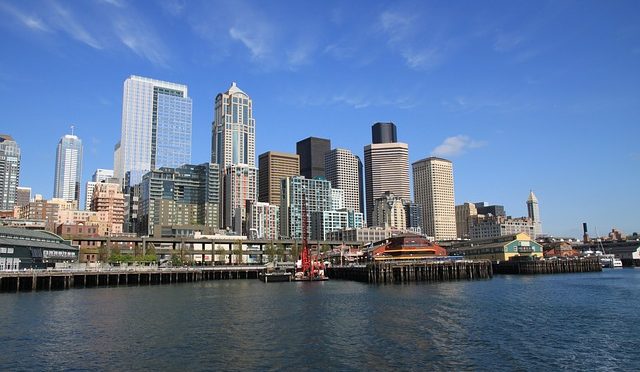
Close-up of a worn, metallic fountain pen nib on a black surface.The new Seattle 2016 stormwater code, effective Jan 1, 2016 addressesstormwater regulations in order to protect people, property, and the environment from damage caused by stormwater runoff. Drainage control, flow control andstormwater treatment, and “On Site Stormwater Management”, are key factors in what you can and cannot do with runoff caused by impervious surfaces. The new code satisfies Seattle’s obligation to be in compliance with theMunicipal Stormwater Discharge National Pollutant Discharge Elimination System (NPDES) Permit, issued by the Washington State Department of Ecology.

Thecity of Seattle has put out new publication of “Best Management Practices.” The Primary purpose of the BMPs is to protect beneficial uses of water resources, while reducing erosion, andcontamination ofstormwaterrunoff entering our waterways. Collecting rainwater forbeneficial use can have asignificanteffect meeting therequirements of the newstormwater codes on any newconstruction within city limits. Collecting the rain and using it reduces theimpervious surface of your project. Whether its use is for irrigation,toilet flushing, laundry facility, or potable use for residential, adding rainwater collection to your project’s design can be the answer to “what do I do with the runoff to meet thesechallenges?”, to comply with the new stormwater code.”

Contain Water Systems Inc. and RainBank Rainwater Systems can help your Seattle building project meet the 2016 stormwater code requirements.

Contain Steel Water Tanks can be an integral part of design for commercialconstruction in reducing costs due to the new code and its requirements. RainBank Rainwater Systems has been designing and installing systems for more than15 years in Washington State. Whether your project is commercial or residential, potable or non potable, RainBank and Contain have theanswers for your next project. We workclosely witharchitects, engineers,contractors, and most importantly, the customer to help meet the newstormwater codes with aknowledgeable staff andcommitment of your project.

Turkish Bath Becomes Rainwater Collection Cistern


Close-up of a worn, metallic fountain pen nib on a black surface.With a little bit of creative thought, Tacoma, WAset out on a path of green capabilitywhile reclaiming a downtown area that had become degraded and mostly abandoned – partly using a Turkish bath.

In an article from Environmental Protection Online, we learn how the city of Tacoma repurposed Park Plaza South. Duringthe reconstruction, an old Turkish Bath was uncovered. Cleverly, the designers decided to use the old bath as a rainwater collection cistern, which would collect water to be used for irrigation and toilet flushing.

“Other sustainable features at Pacific Plaza include 36 percent of the building materials being recycled, from structural steel and panel metal sidings to wood and windows. All of the products used met LEED (Leadership in Energy and Environmental Design) thresholds for low-emitting materials, while interior materials such as carpet, flooring, paint, and composite woods had low levels of volatile organic compounds.

These features, along with the rainwater collection system, earned the building a NAIOP Sustainable Development Award and LEED Platinum certification from the U.S. Green Building Council. While the Platinum certification was the city’s first, there now are more than 25 local businesses, schools, or housing complexes that are silver or better LEED-Certified in Tacoma, with many more in the works.”