
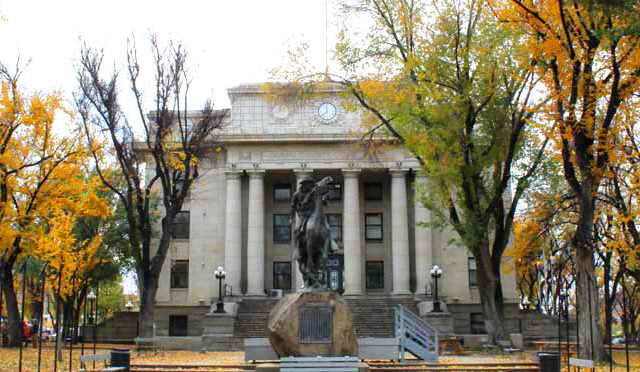
 The Prescott News has reported that Yavapai County (AZ) Government is including a greenerapproach tonew construction for a few county buildings. Rainwater collection and solar were included in the “reduction of energy and water usage.” Solar and LED lighting are already proving to be a significant cost savings in existing county building and are expected to do so in future projects.
Rainwater collection will supply irrigation requirements for both the new library and the county health services in Yavapai County. Low flush bathroom fixtures and alternatives in new technology in irrigation nozzles will be used to further the conservation examples to reduce future costs and public education of practices.
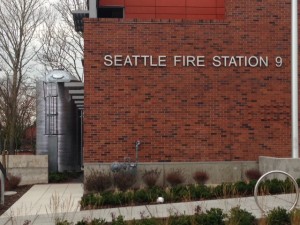 Federal and state buildings in Washington and Oregon have included these practices as well fire stations, schools, county buildings and military projects. Private practice has also jumped in with conservation and sustainability throughelectrical and water.
At RainBank Rainwater Systems, we applaud the conservation efforts of our officialsand the continued public education aboutsustainability, whether here in Seattle, throughout the Pacific Northwest, around the country, like in Yavapai County, AZ – and the world.
 When we start a project of some magnitude, we wantto finda trained professional. Right? We want to find the best mechanic for our car, the top electrician to light our homes and businesses, and we certainly want the highest credentialedcontractor when it comes to providing safe, life-sustaining clean water. Ask yourself:
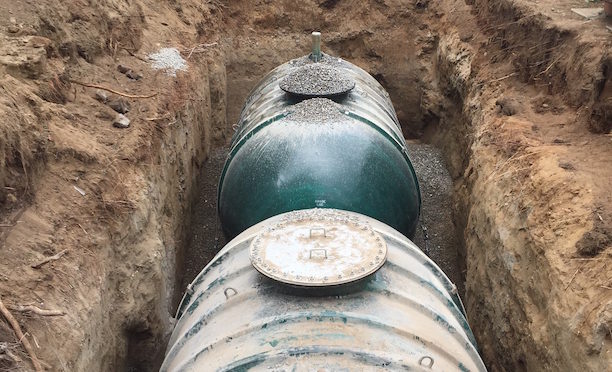
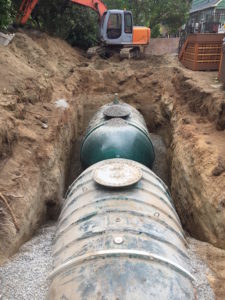 RainBank Rainwater Systems designed and installed a potable rainwater collection system for a remodel in Seattle City limits. The customer wanted to supplement city water usage with “as much storage as possible”, but had very limited space and aesthetics were a main concern. The solution came withtwo 5,000 gallon buried water tanks in the middle of a very small backyard.
 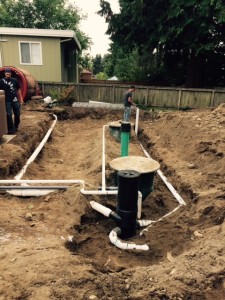 Always appreciatinga challenge, RainBank dug right in with itsawesome excavator, Shane, who managed to export over 120 square yards of soil off site, set the dead men anchors, and nestle the two fiberglass tanks in place with the touch of a feather. The buried tanks were strapped to the dead men (anchoring) and connected together with a 4″ crossover valve. He then backfilled 80% with 5/8″ drain rock while Chad, RainBank’s engineer, took careful deflection readings to be sure the fiberglass tanks were not being distorted during the process.
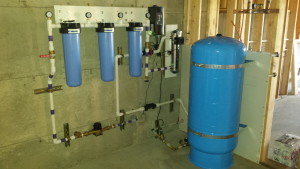 Our plumber, Tracy did a great job of use of space on this project. Using 4’x 20′ canisters with sediment, carbon, and 1 micron sediment for cyst removal, followed by a class “A” UV, the filtration train provides potable whole house demand. The system was designed to be easily maintained so the homeowner can be hisown purveyor of clean, safe, reliable water. With the amount of collection area, annual rainfall and frequency, this two person occupancy should be able to meet 100% of itshousehold use, but also have city water as a backup, just in case.