
Tag Archives: aging infrastructure

Innovative Use of Water to Help Power Portland


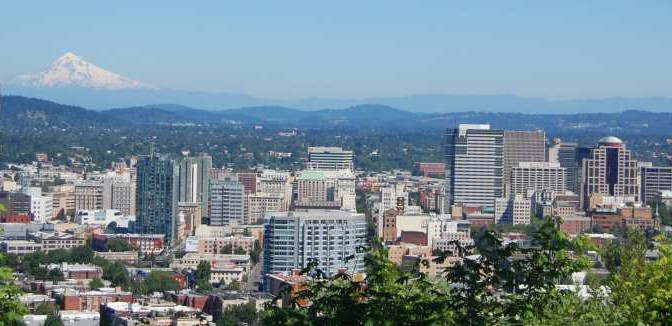
City skyline with mountains in the background on a clear day.Lights partly powered by drinking water?

As infrastructure ages, cleversolutions are being inventedto create sustainable energy systems. A new method adopted in Portland, OR capturesenergyas water flows through the city’s pipes, creating hydropower without the negative environmental effects.

According to an article in Fast Company, small turbines in the pipes spin in the flowing water, sending that energy into a generator. The power is sent into the grid, and although it isn’t enough energy to run a city, the pipes could potentially power individual buildings like a library or school, or help offset an energy bill. An interesting feature is that the system can generate electricity at any time of day, regardless of weather, since water is always flowing through the pipes.

Greater potential may be California, where a large chunk of energy usage goes into the water supply. With these pipes, utilities might generate some of their own much-needed power.

Click here to read the full article.

Portland and Mt. Hood from Wikimedia Commons, the free media repositorycourtesy ofAmateria1121
U.S. Water Supply Challenges


2014 Annual Conference logo for American Rainwater Catchment Systems Association.Seattle based RainBank Rainwater Collection Systems to attend ARCSA conference addressing U.S. Water Supply Challenges.
This year marksARCSA‘s20th anniversary, and its annual conference will put the focus on Rainwater Harvesting: Solutions to U.S. Water Supply Challenges.

The annual rainwater collectionconference, to be held in Phoenix, AZ this November, will offer presentations from educators, industry professionals, and keynote speakers, with topics includinglegislative action, codes and standards, guidelines, along with panel discussions, and workshops centered around rainwater collection.

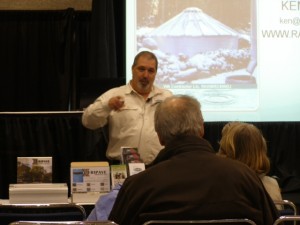
Man giving a presentation to an audience in a conference room.RainBank’s president Ken Blair was tapped topresenta session onUrban Rainwater Collectionand its effects on stormwater runoff mitigation.


Additionally, Ken will participate inan advanced continuing education course to attain the designation of Inspection Specialist (IS), augmentinghis already achieved,Accredited Professional (AP) qualification and lifetime member status.

Adding theIS accreditation to itslistof qualifications solidly identifiesRainBank as theleader in rainwater catchment systems design and installation for commercial and residential customers, especially forSeattle area customers and classifiesRainBank asthe most qualified, up to date, professional Rainwater Collection company in the industry.

Contaminated Water At Home


Close-up of a worn, metallic fountain pen nib on a black surface.Do you think contaminated water only existsin developing countries?

The other day, there was a Boil Your Water Advisory in Washington State. According to KIRO News,”About800 residents in Wauna on the Key Peninsulawere affected when E. coli was detected in their water supply.” The water system in Wauna is a community well system.The contamination was found during a routine monthly test, but the source of the contamination has yet to be determined.

E. coli has been recently detected in the Mount Baker area. The water system serves about 220 homes. One child died and 2 others got sick in Lincoln County, Oregon last week. In addition, Mercer Island City water systemhad a suspected outbreak as well. Local restaurants were affected and lost profits due to the scare. Earlier this year dead birds were found in a Portland city reservoir.

There have been 26 contaminations this year – and 25 last year as well.These boil alerts are becoming increasingly more common throughout our country.

Why is this happening? Aging infrastructure can partly beattributed to the cause. With increased population density and larger demands on our centralized water and sewer districts, rainwater collection and decentralized water systems may be the better answer for Seattle. A small urban rainwater collection system for residential use is easy to maintain and has less potential of contamination if installed and properly maintained.