
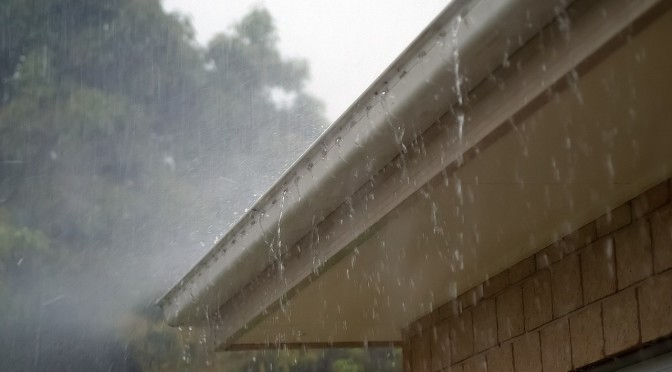
 Stormwater is rainwater that has not been collected and stored for future use, infiltrated or managed at the source. Rainwater, when not stored for future use or infiltrated on site, will flow into storm drains picking up toxins on the way and eventually will end up in our waterways.
The EPA has identified”stormwater as the greatest source of water pollution”.
With proper filtration and disinfection, the practice of rainwater collection for landscaping, toilet flushing, laundry, commercial and industrial use, along with potable use for single family residences, can minimize storm water runoff. The use of swales and rain gardens to lessen the effects of storm water from urban sprawl are helping reduce the effects of stormwater runoff.
According to the EPA “rainwater harvesting systems are recognized as a Low Impact Development (LID) technique for stormwater management.” As a result, many states, counties and cities have adopted and encourage rainwater collection. The EPA recognizes that the “effectiveness of a rainwater harvesting system for managing stormwater runoff depends on the presence of a consistent and reliable demand that can draw down the cisterns and ensure adequate volume for storm water retention.” A system that is sized properly by taking daily rainfall amounts into account, rather than yearly averages – and design that includes a full range of use during those peak events, or enough storage to minimize overflow, are going to be the most effective.
Whether commercial or residential, rainwater collection, when sized properly and used regularly on a scale that lessens the overflow amount from the cistern, has the most positive effect on stormwater management.
To read more from the EPA on rainwater collection and stormwater seehttp://water.epa.gov/polwaste/nps/upload/rainharvesting.pdf
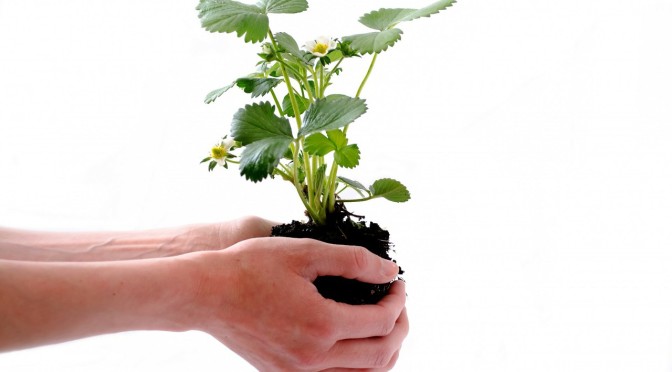
 Here is an interesting video I’ve watched that easily explains how trees are a major part of our water system and why planting more trees and, specifically the soil in which they exist, offer a sustainable and an affordable solution to our water quality and scarcity problems – like the drought that is affecting California.
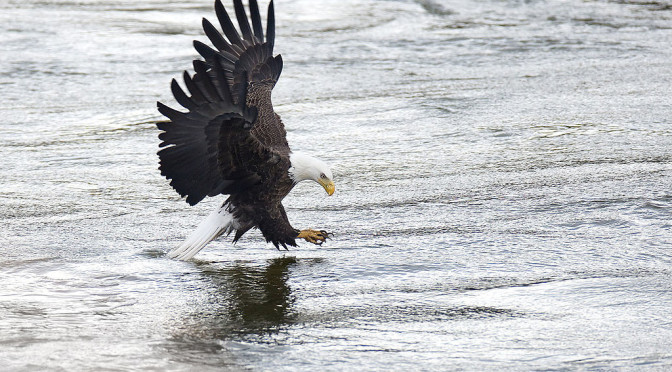

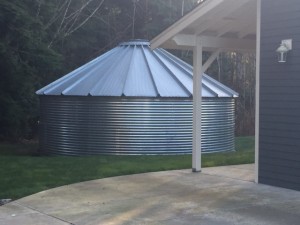 Rainwater is collected and diverted to storage for domestic household use. Then conveyed to filtration and disinfection for potable use resulting in a viable source of safe, clean drinking water. After domestic use, wastewater is directed to a typical septic system and infiltrated on site. Without this process, normal rainfall would simply be considered runoff causing possible erosion or evaporation. Storm water runoff can carry harmful pollutants into bodies of water causing significant damage to salmon habitat. Additionally, evaporation causes very little replenishment to the stream. The use of rainwater collection removes both of these possibilities by diverting the rainfall to storage and, after its use, is infiltrated through an approved septic system, naturally replenishing the stream. Simply put, the water is borrowed for use then returned to its natural flow.