In his Forbes article titled:
Memo To California: If You’ve A Shortage Of Something Then Change The Price, contributor Tim Wortsall suggests applying economicprinciples to address the California drought and allow the free market to set and regulate water pricing.
Mr. Wortsall writes: “whereas if you have a scarce commodity, allow the market to dictatethe price. If agricultural industries are using more of this scarce resource, they should pay more for it, or reallocate resources to another product.”
When questioned about his thoughts on the subject, RainBank President Ken Blair stated:
“I agree with Mr. Wortsall.The 25% reduction should absolutely apply to agriculture, it is a business for profit, and if their goods cost more because of higher operating costs, then of course that gets passed onto the customer. If the customer quits buying that product because of higher prices and that affects the business negatively, then they would adjust theirproducts, perhaps using less water and money to produce. Consumers will decide what is grown based on purchasing habits and hopefully would bring abouta more sustainable agricultural industry by encouragingproducers to grow crops that use less water while offering nutritionalvalue.
Action for this drought has been ignored from local government, business, and the general public primarily because water is cheap. When Gov. Brown asked for voluntary restrictions last year, nothing happened. No one conserved. Lawns are still being watered, farmers continue drilling deeper – impacting ancient aquifers, thousands of years old. The ground is actually dropping. The crisis is well advanced and extreme solutions are late in coming to meet the extreme issue.
“”Each individual has to pay for their consumption choices’ needs to be adjustable, based onuse. Basic hygiene and hydration need to be available to all – regardless of wealth, so there should be levels of use – and charged accordingly. Business will take care of itself much like higher gasoline prices have; adjustments will be made. Credits with caps, like carbon, could help by allowing large users to still have access to the resource but still meet conservation goals.”
Ken adds: “Pricing is not the only solution: smart, immediate conservation measures need to be addressed by all – not just large corporations. The unwillingness to change is part of the reason California is now in this crisis.
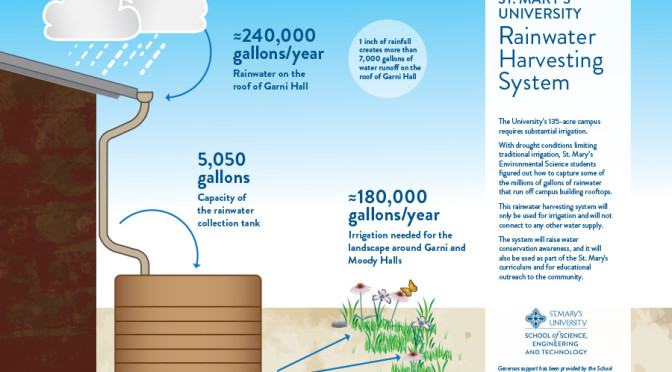
Adoption of rainwater collection is a good start for the general public, as I wroteabout in ablog postsafter the recent rain episodes this past winter. The biggest problem, as I see it, is that people are reluctant to change. So – mandatory restrictions, incentives, and education should go hand and hand with pricing.”
To stay on top of rainwater harvesting and rainwater collection information, be sure to click “Notify me of new posts by email” at the bottom of this page.


 The lingeringand controversial California drought has unearthed some interesting viewsabout how we prioritize how we usewater. What if there was a way to conserve drinking water and STILL have enough to water our drought thirsty lawns or washlaundry – or to clean trucks in a commercial facility?