

 Pollen season is just around the corner for us here in Washington State. With the warmer than normal temperatures, we will most likely see an early and long pollen season.
Pollen is anemesis of rainwater collection and needs to be controlled. Without control, pollen can easily foul our stored water.
As pollen accumulates in cisterns in the spring and summer months, it starts to decay and along with that decay – odor is the result. Simple techniques should be applied in order to keep our stored water “sweet”.
Gutter screens should be cleaned often, as pollen accumulates on the screens themselves with the rain washing the pollen into the gutters and into the cisterns.
Vortex filters screen should be periodically inspected and cleaned as needed. If you do not have a vortex filter, I highly recommend having one installed.
If you use screen baskets in a sump box or the cistern itself, a layer of cheesecloth will catch the pollen before it enters the tank. The cheesecloth should be inspected frequently and replaced as needed.
Keep your stored water clean and odor free witha little extra maintenance during this pollen season. You will be glad you did.
A false color electron microscope scan of pollen. Credit: Dartmouth College/Charles Daghlian

 If you are an interested individual or a professional seeking educational development courses and workshops on rainwater harvesting for residential, commercial, potable or non-potable systems, you should visit ARCSA’s website to sign up for a course or webinar.For more information about ARCSA’s professional development programs and workshops,
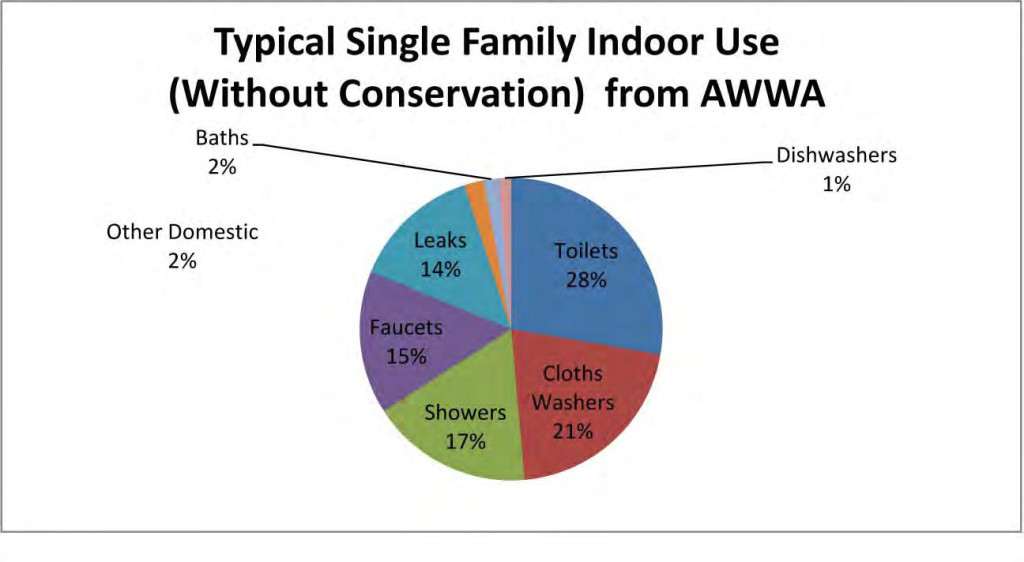 Based on thischart from the