
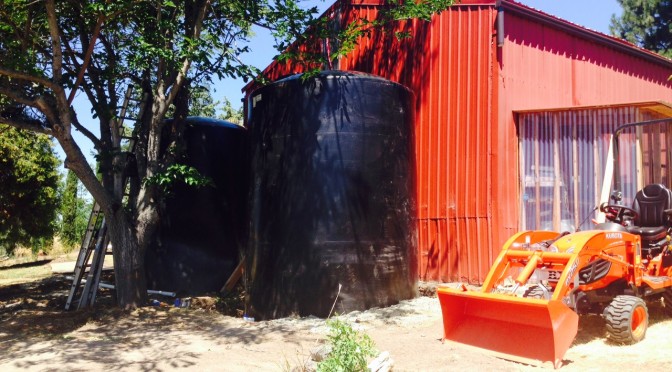
 Big Butte Springs supplies the majority of the Rogue Valley, OR water needs. Water usage at local residences is typically more than three times higher during the summer than the winter.
Can rainwater catchment help protect resources that attract tourism?
During the summer months, when water usage more than triples, Medford utilizes water from the Rogue River as well. Annual rainfall is18.31 inches, with only 1.87 inches of rainfall during the dry season (June through September). A population of over 76,000 increases use dramatically during the summer months withtourism, contributing to the demand on water resources.
What are the effects of these demands on the river, the very attraction that draws tourists during those summer months? Could the effects of the increased “draw down” of the river affect the salmon run? What impact does this have on tourism for Medford, Oregon?
Conservation of a fragile ecosystem involves investing in alternative technologies (like rainwater catchment), changing or improving existing practices and implementing different measures to increase the sustainability of our resources. Protecting our natural environment while protecting jobs in a small town dependent on summer tourism can be achieved with small practical changes.
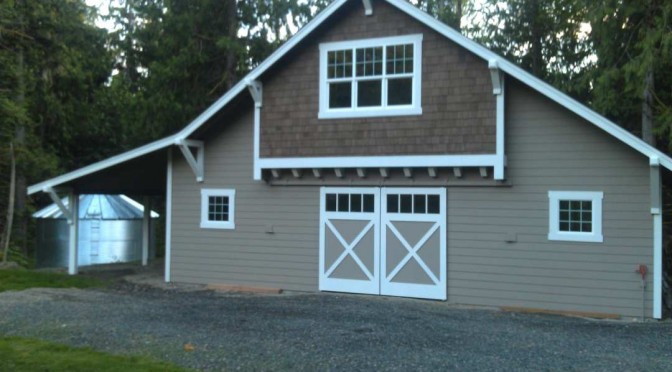
 Whether your rainwater collectionsystem consists of simple rain barrels or whole house potable usage, maintenance of your system is essential to its successful operation. Simple tasks will keep clean water flowing for years to come with little effort.
 A study by the American Water Works Association to determine end use of water in 100 single family homes was conducted back in 1999. Even though the study is dated, it is a good indicator of average single family usage with regard to rainwater collection.