
Gutter screening, first flush devices, vortex filters – which is best suited for my rainwater collection system?
If you have been followingmy last few posts, you can startto understand the need to be surethatyour collected rainwater isclean before it goes to storage. Keeping it clean will help keep tannins to a minimum, preventdebris from entering your cistern, and will also mean less demand on your filtration and disinfection systems.
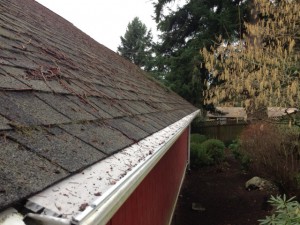
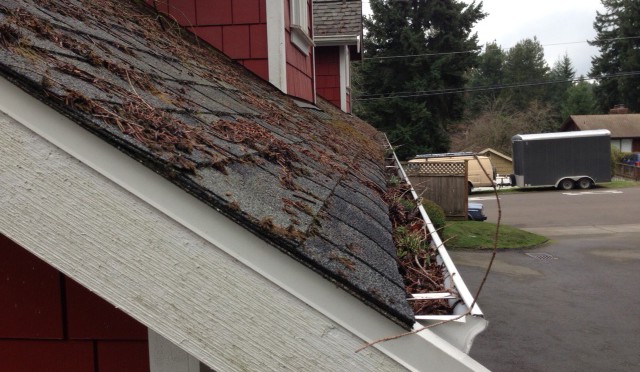
Gutter screens are thefirst line of defense to keep your collected rainwater clean before storage. It is well worth the expense to purchase quality gutter screens to start with. Typically, an aluminum frame with stainless steel meshing works the best. They are expensive, but will make maintenance of your system much easier. Stay away from the low density foam insert types, they only clog up with debris and turn septic quickly. Light sheet metal type framing for screens tends to bow in the middle from the weight of the water. So spend some money up front and you won’t need to cleangutters.
A first flush device, or vortex filter is the second defense against debris from entering your rainwater system cisterns.
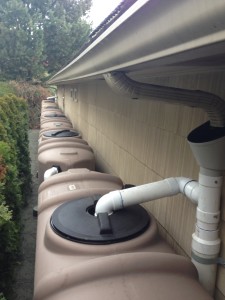
A first flush device is a vertical 3″ or 4″ vertical pipe that has a ball inside that will float to the top of the pipe as the initial water fills. When the ball gets to the top of the pipe, it closes off the vertical pipe and allows the water to move horizontally through a “t” and sends cleaner water to the cistern. The water at the cistern should go through a screen basket before entering the cistern for added protection.
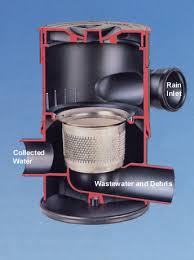 The vortex filter is more of a hands-free device instead of the first flush and for most applications, this designer/installer prefers it. The vortex filter works on a centrifugal theory, where the water enters the top side of the filter from the tight line and is directed into a channeled side which swirls the water horizontally, passing through a screen, then towards storage. Residual water along with the debris falls through the center and towards waste.Only occasional cleaning of the screen is needed for maintenance, making this system as hands off as can be.
Things to consider when choosing a pre-screen system are:
- Are my gutters hard to get at, are they second story?
- Do I have a large amount of trees that shed needles and leaves to my roof or gutters?
- Are my downspout lines connected to tight lines which convey water to the cisterns, or do they gravitate into the top of the cistern?
- Am I willing and able to care for my first flush devices bymaintaining their cleanliness?
- Do I live in an area that is prone to sub-freezing temperatures?
If you have questions, or would like a specific topic covered, let me know in the comments.

 Tannins in drinking water are caused by natural decaying of organic matter. Leaves or pine needles in the gutters are generally the cause in a rainwater collection system. A faint yellowing of water generally occurs at .5 parts per million or PPMs with .5 – 2.0 PPMs looking likethe color of ginger ale, and 3.0 – 5.0 PPMs would take on the appearance of dark tea. The tannins may cause a yellow color of the water, yellow staining on fixtures, and yellow staining in laundry.

 If you want to learn more about rainwater collection in the Seattle area from an American Rainwater Catchment Association (