

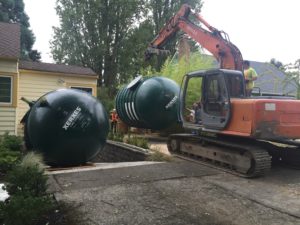
 From Whatcom to Wahkiakum, rainwater collection is gaining popularity in most Washington counties.
Whether potable or non potable, rainwater collection and use is proving to be a solution to new, stricter storm water codes throughout Washington State and elsewhere. The 2016 storm water code became effective in January 2016 and its regulations are to protect people, property and the environment from damage caused by runoff. The new code is in compliance withthe new Stormwater Discharge National Pollution Discharge Elimination Systems (NPDES).
The new Stormwater Code addresses;
- Drainage control submittal and plan review requirements
- Where stormwater from your site needs to go
- On-Site Stormwater Management best practices (previously known as Green Stormwater infrastructure)
- Erosion control requirements
- Flow control and treatment requirements
- Enforcement of the code
In keeping with the 2016 new Stormwater code, a Drainage Reviewfor your project is required if you are;
- Disturbing more than 750 square feet of land
- Adding or replacing more than 750 square feet of hardsurface
- Adding or replacing more than 750 square feet of a building
Rainwater collection and use can help mitigate the hard surfaces such as pavement or roof area for new construction or remodels. On site infiltration by the way of rain gardens, drywalls, irrigation and retention of rainwater is an effective practice used in stormwater management. The use of rainwater for toilet flushing, laundry facility, wash down, cooling towers, and domestic household potable use can reduce the amount of storm water run off and a reduction of city water usage. The benefits environmentally and finically for the property owner and city can be recognized as a viable solution and is excepted as part of the reduction of storm water run off.
Ifyou’re locatedin or around theSeattle area – fromWahkiakum toWhatcom, for further information on the new stormwater code, visit: http://www.seattle.gov/dpd/codesrules/codes/stormwater/


 The dog days of summer in the Seattle area are nearing an end as the cooler, wetter days of Autumnapproach.
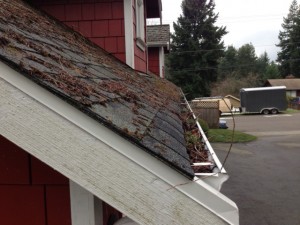
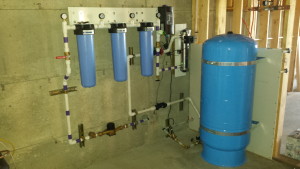 Autumnis also a good time to change your filters and your UV bulb. Most UV bulb manufacturers recommend that the bulb be changed once per year. They do have a life expectancy and begin to lose their intensity, which may result in improper disinfection. Your filters may have sat during vacation without circulation and could have allowed “festering” of the particulate that they have absorbed. Or, because of summer fun, you have not thought about changing them when needed – so it is time. I always shock my system this time of year. With filters removed but UV lamp turned on, add a couple of tablespoons of bleach into the first canister. Replace the canisters without the filters. Open each faucet until you smell a little bleach then close the faucet immediately. Repeat with all faucets in the household. Let the bleach water sit in the plumbing for about half an hour. Then, open all faucets and let run to flush the bleach out of the lines. Replace the filter elements and you’re done.