

 Is your engineering firm well-versed in rainwater collection design?
With rain water collection systems becoming more accepted, many engineering firms are being asked for rainwater collection designs to meet the demand of both commercial and residential systems. But how much experience does the engineering firm have in storm water management and rainwater collection? Does the firm use consultants from the industryto help with their design? Does the firm belong to the American Rainwater Catchment Systems Association (ARCSA), or another association such as the Cascadia Green Building Council?
The members of these organizations area greatresource forengineers, architects, designers, microbiologists, contractors and suppliers who are part of theindustry and have experience that willbenefit the firm in theirdesign.There are long-timemembers of ARCSA that have brought the industry to where it is now. With their experience, a well designed, operational system will meet the intended use that the customer is looking for.
The proper design ofstorage, filtration, disinfection, and conveyanceof rainwater is essential to a system’s success. Unless the engineer has experience in rainwater collection design, many industry standards can be overlooked. The plumbing code has written standards that ARCSA helped write, along with ANSI. ARCSA accredited professionals have to meet ongoing education credits in order to stay active in their accreditation.
RainBank Rainwater Collection Systems offers consulting and seminars to bothengineers and architects and recommends to consumers that they check with their engineer or architect on their experience with rainwater collection.
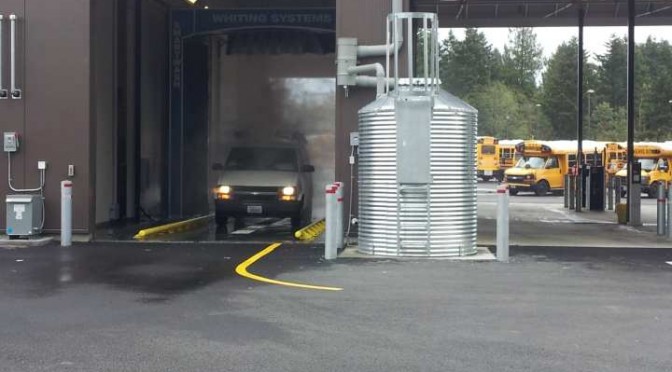
 With lessvegetation, more square footage of impervious surfaces, and more population density, cities contribute to the bulk of storm water runoff. Rethinking how we control storm water in our urban environments isessential to the health of our bodies of water. During large rainevents, a sewer system can be overwhelmed with runoff, causing intentional releases, withpollutants entering our rivers, lakes, bays, and estuaries.

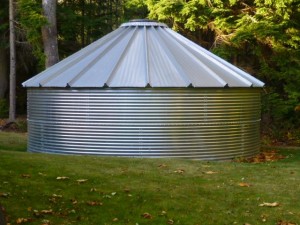 The GSI mandate or “
 Directing roof runoff for irrigation, toilets, laundry, or even pre-infiltration potable water, will reduce costs frommunicipal water supplies. During the rainy season, collected water can supply these uses while overflow from the cistern can be directed to infiltration.Irrigation in the summer months being supplied by the desired amount allocated from storage will enable the rain garden or infiltration system to be sized for a smaller amount of runoff while supplementing city water usage.