
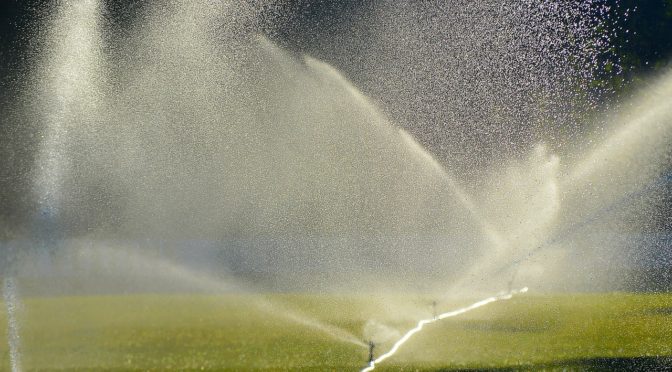
 Do you know that the most common use of collected rainwater is not for drinking? Here’s a prior post, which helps answer this question – and explains why non-potable use of rainwater is so popular – and sustainable.
The most common use of rainwater collection is for non-potable use. Irrigation, water features, wash down, toilet, and laundry are all non-potable uses that can have a positive effect on water conservation. A properly designed and installed rainwater collection system will provide enough water to support these desired uses with less impact on our water supply.
Rainwater is essentially free of pollution, so it can be stored without much more than screening. Storage can be underground, above ground, metal, plastic, or fiberglass. If irrigation is the desired use, keep in mind that approximately .623 gallons per sqft of planting, per week is required for the healthy growth of plants, therefore storage volumes can be a concern in design due to space and costs. Conveyance can be gravity if there is enough head. Head is .4 lbs per foot of elevation. A pressure pump might be necessary to achieve the desired pressure needed. Sediment filtration for a simple irrigation system should be all that is needed to ensure emitters and soaker hoses performas expected.
Water features such as fountains can recirculate the water being used, so very little storage would be required. Sediment and carbon filtration would be neededto keep pumps and nozzles working properly. A carbon filter would be helpful to keepodor to a minimum.
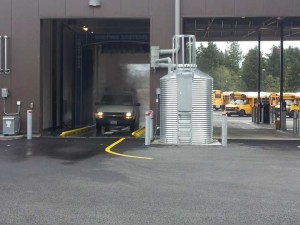 Wash down facilities can use rainwater collection and save money on their water bills by using rainwater collection as the rinse water. With enough storage, a large fleet can be washed with recycled wash water and rinsed with collected rainwater. Again, sediment and carbon filtration would be the only filtration needed. Wash down of equipment,whetherconstruction or farming, can benefit from rainwater collection.
Toilet and laundry facilities for residential and commercial applications are becoming more popular with new construction. Rather than infiltration, which is mandated, why not use that water. Simple pumping and filtration of stored water is all the treatment needed. A return on investment can be achieved within a few years.
There are a wide range of uses for rainwater collection. With a little bit of imagination, you mightcome up witha use for rainwater collection that could save you money.
So, the next time you think collecting rainwater for drinking purposes is most common, think again – there are many more uses that are beneficial and sustainable.
 Snohomish County adopts rainwater collection for potable usage for single family residence.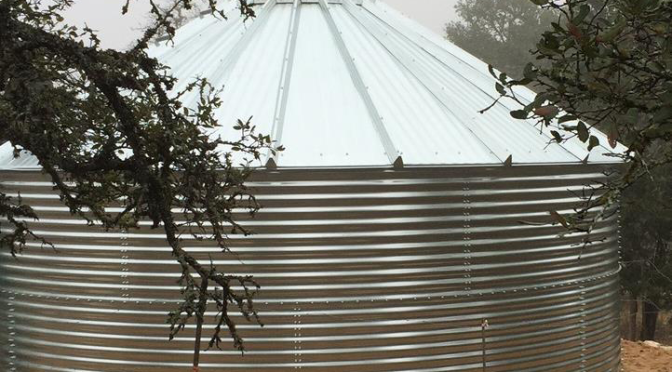
 At the beginning stages of planning a rainwater system, be sure to choose a system designer / installer who will work with you to design and build the most effective and efficient system for your needs. You especially want a company that knows how to navigate the complex permitting process.
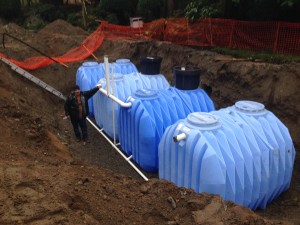 Permitting can be complex and sometimes frustrating, especially when the rules change. RainBank Rainwater Systems meets all requirements of permitting and engineering for our customers from city, county, and state agencies. We stay up to date on changing codes and permitting requirements, taking the guesswork out of the process. RainBank designs and assembles customized kits and plans for the do-it-yourselfers. Providing detailed designs and components with support from our engineering department.
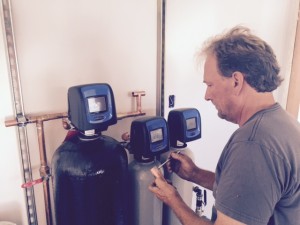 All onsite management and installation are by ARCSA accredited installers and licensed plumbers. RainBank offers turnkey solutions and we guarantee our work. We specify and order all materials and components, delivered to your location and install, finalize and test your system. We only specify and install the most reliable components that meet our experience of over fifteen years installing systems. We train our customers on how to maintain their systems so they become their own purveyor of water.
 Adding to our full-service philosophy, RainBank is a distributor of