 Whether it is a small rain barrel garden system or the largest commercial irrigation system, there are many environmental benefits torainwater harvesting.
Here in the Pacific Northwest we have a climate that sustains and nurtures our forests, lakes, rivers, and lifestyles. Often we grumble a little about the long dreary rainy days of autumn and winter, dreaming of summer months of enjoyment and recreation that our beautiful state offers. It is the rain that feeds our mountains with snow, keeps our rivers and lakes full, our forests green, our air clean, and our water supplies replenished. We are fortunate to live where the climatic conditions offer a seemingly never ending supply. and never give it much thought. Water from oceans, lakes, rivers turn into water vapor during evaporation, then condensate into droplets that form clouds. As the clouds become heavy they lose theirwater through rain or snow and the cycle starts over again. Protecting the cycle of water with sustainable, environmental practices and conservation will help ensure our water supplies for future generations.
What if we interrupted that cycle for a moment? Borrow that water briefly? Then, return it to the natural cycle without a lot of energy. Rainwater harvesting does just that by on site collection, storage and use returning it through infiltration. Rainwater harvesting:
CONSERVES WATER : 50 – 70 %household use is used for landscaping. It does not need to be treated to drinking water standards.
CONSERVES ENERGY: Rainwater collection bypasses a centralized system, conserving energy.
PREVENTS FLOODING & EROSION: Less stormwater to manage bydiverting it to storage, then usage.
DECREASES WATERCONTAMINATION: Limiting runoff which pick upcontaminants as surface water.
REPLENISHESAQUIFERS: Washington State Ecology determined that in stream flow rates and Aquifers benefitted from rainwater collection and infiltration.
Otherbenefits include lowermonthly water bills, provides naturally soft water, use of less detergents and soaps. If properly filtered and disinfected, rainwater can be used for whole house demands including drinking water, free of chlorine and other additives used inmunicipalwater supplies. Rainwater collection can be a practicalanswer tostorm water and drainage codes, allowing formitigation of the roof area as animpervious surface.
So when it rains here in Seattle, look at it as a gift – a gift that we can pay forward bycommon sense stewardship of this life sustaining resource.

 RainBank Rainwater Systems would like topay a Labor Day tribute to the contributions and achievements of American worker. It is you who make America strong.

 The dog days of summer in the Seattle area are nearing an end as the cooler, wetter days of Autumnapproach.
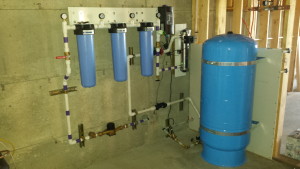 Autumnis also a good time to change your filters and your UV bulb. Most UV bulb manufacturers recommend that the bulb be changed once per year. They do have a life expectancy and begin to lose their intensity, which may result in improper disinfection. Your filters may have sat during vacation without circulation and could have allowed “festering” of the particulate that they have absorbed. Or, because of summer fun, you have not thought about changing them when needed – so it is time. I always shock my system this time of year. With filters removed but UV lamp turned on, add a couple of tablespoons of bleach into the first canister. Replace the canisters without the filters. Open each faucet until you smell a little bleach then close the faucet immediately. Repeat with all faucets in the household. Let the bleach water sit in the plumbing for about half an hour. Then, open all faucets and let run to flush the bleach out of the lines. Replace the filter elements and you’re done.