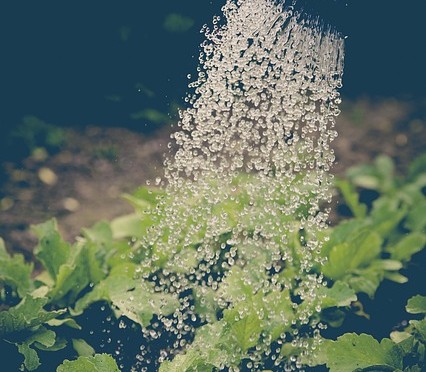
 The rise of the rain collectors may sound like a scaryHalloween prank, but it’s a trend not to be ignored.
According to a recentarticle published on Earth911, more and more folks, from millennials to baby boomers, are learning how, and then capturing the rain, to mitigatehigher water bills and help in conservation efforts, largely due to drought, but also associated to aging infrastructure.
Do you know that by capturing one inch of rainfall from the roof of a 1,000 square foot home, it means you could save up to 312 gallons of water (or what amounts to almost eight, 40-gallon baths).
If you want to know how much rainwater you might collect from your roof runoff, browse totheUnited States Geological Survey (USGS) rainfall calculator, which can estimate rainfall in areas from a couple square feet to several square miles.
Rainwater collection isn’t only for the home gardener.
Businesses are using collected rainwater for washing vehicles and toilet flushing facilities. Schools are collecting rainwater for community gardens and new multi-family construction could collect rainwater for potable use for tenants or homeowners.
Asrain collection trends, it can create a confusing frontierof information and solicitations.
If you decide to have a system professionally installed, we encourage you to know whether or not your chosen contractor has the accreditation and experience needed for a properly installed, potable or non-potable system. Visit ARCSA (The American Rainwater Catchment Systems Association) tosearch for a designer and installerwith the knowledge and experiencetomeet your needs.
 The lack of water caused by the California drought affects our food supply in more ways than just the ability to grow crops. It has had deep impact on the workers in this industry and the businesses that employ them. When the cost of water for a 10-acre farm parcel goes from $3,200 to $33,000 in one year, you’ve got a business problem. In 2013, the California agriculture industry employed about 349,000 people.
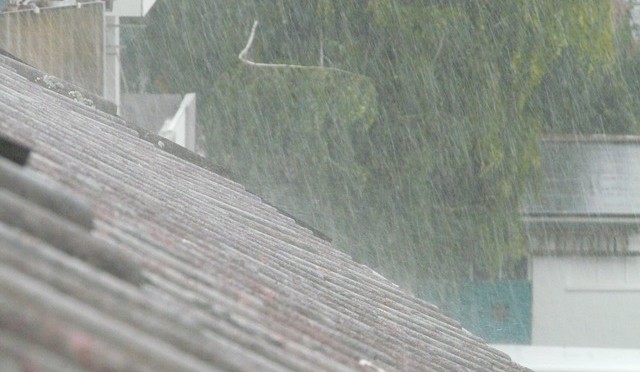
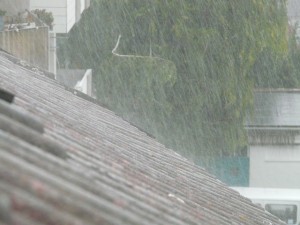 California may think it’ll finally see some relief from the extreme drought that has gripped the region for several years because this year’s El Nino is predicted to be massive, bringing heavy rains – and with that the potential of mudslides and flooding in southern California.