
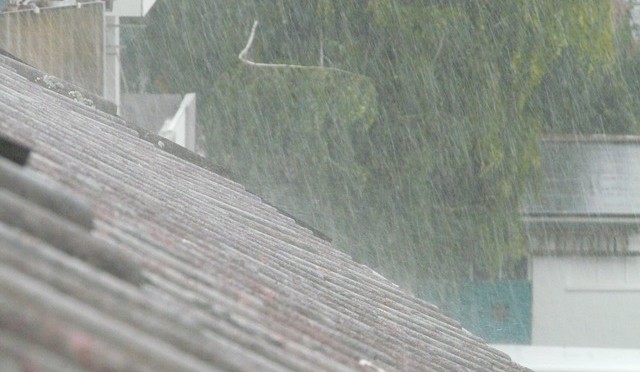
 California may think it’ll finally see some relief from the extreme drought that has gripped the region for several years because this year’s El Nino is predicted to be massive, bringing heavy rains – and with that the potential of mudslides and flooding in southern California.
CBS/AP reports: “Weather models this year show a 60 percent chance of above-average rainfall in Southern California, but that figure declines farther north…”
There’s a downside. Northern portions of California and parts of Nevada are only looking at between a 50% chance, down to 33% as you head north. Unfortunately, most of the state’s reservoirs are located in the northern portion of California, meaning heavy rains in southern California won’t do much to alleviate drought conditions as its infrastructure is designed to channel rainwater away from homes to prevent flooding – and water is washed out to sea.
The Pacific Northwest is expected to continue being very dry and drought conditions will persist mostly due to warm weather causing reduced snowpack across much of the Cascades Range and Olympic Mountains in Washington. So, while residents and businesses are being diligent about reducing water usage, there is certainly more that can be done on a municipal, county, federal and individual level.
“When the well is dry we know the value of water”, Benjamin Franklin
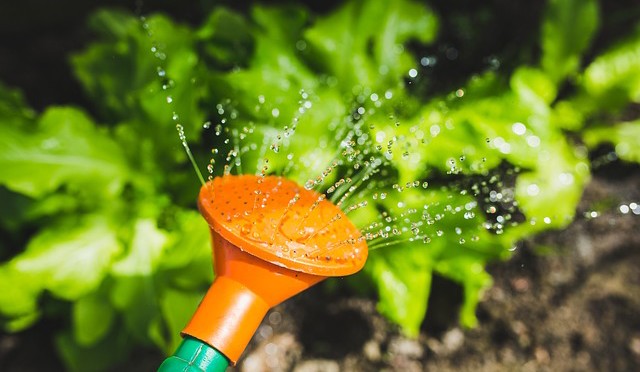
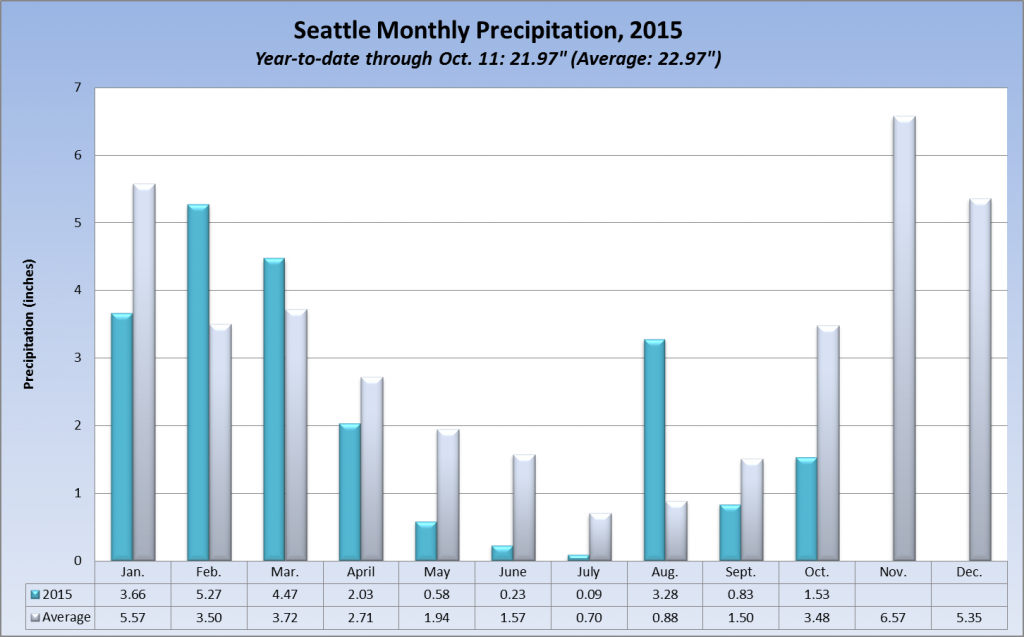
 Annual rainfall for one year to date is only 1″ below average in Seattle. But, an expected warmer winter will mean a low snowpack for water reserves next summer. With already low levels in our reservoirs and less snowpack, the answer to the shortfall question could be yes.
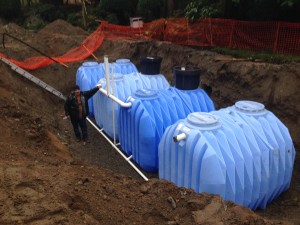 An average 2,000 square foot home in Seattle will yield over 44,000 gallons of water annually from the roof. Storing enough of this yield to get through the dryer summer months does not have to be large scale. A household using 120 gallons per month would require approximately 10,000 gallons to see them through the dry season AND that’s for whole house usage. Toilet and laundry facility uses approximately 48% of household demand requiring one half of that amount of storage.
 Even with the recent rains, drought conditions still persist with water shortages in Western and Eastern Washington.